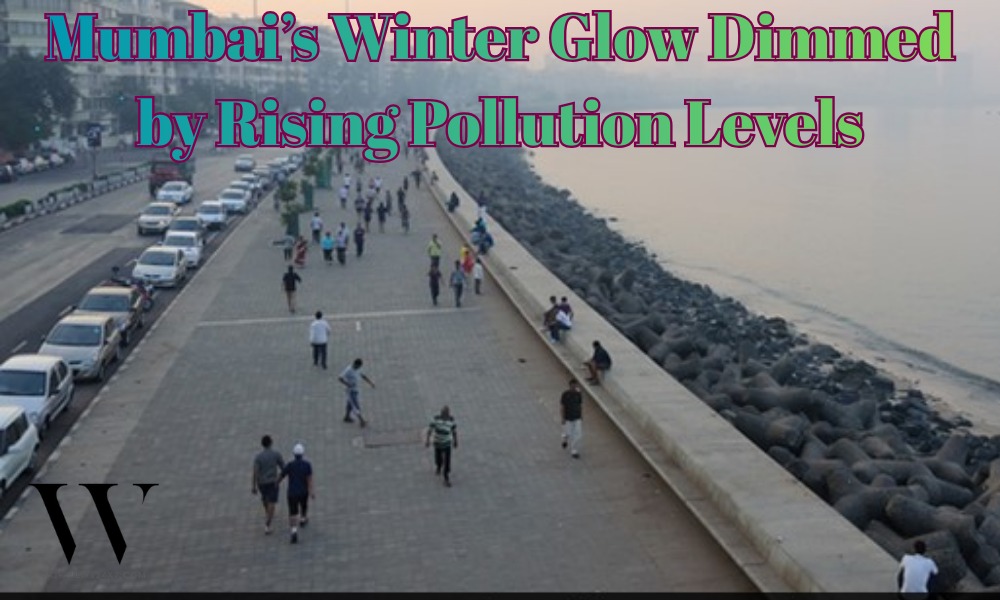
On December 28, Mumbai’s AQI touched 197, placing the city in the “unhealthy” category, while temperatures hovered near 22°C. Rising PM2.5 and PM10 levels triggered health advisories urging residents to limit outdoor exposure. Despite sunny weather, pollution remains a concern, reflecting India’s broader winter air quality challenges.
Mumbai woke up to unhealthy air quality on December 28, 2025, with the Air Quality Index (AQI) touching 197, according to real-time monitoring data. While the winter chill kept temperatures steady at around 22°C, the spike in particulate matter raised concerns among health experts and residents alike.
Key Highlights
AQI Status: The AQI of 197 placed Mumbai firmly in the “unhealthy” category, meaning prolonged outdoor exposure could cause respiratory discomfort, especially for sensitive groups such as children, the elderly, and those with pre-existing conditions.
Pollutant Levels: PM2.5 and PM10 concentrations were significantly above safe limits, contributing to the deteriorating air quality. Experts noted that stagnant winter air and reduced wind speeds worsened pollution dispersion.
Temperature Trends: The city’s temperature hovered near 22°C in the early morning, with daytime highs expected around 29°C. Humidity levels ranged between 35–74%, adding mild comfort to otherwise polluted conditions.
Health Advisory: Doctors advised residents to avoid strenuous outdoor activities, wear protective masks, and use air purifiers indoors. Sensitive groups were urged to stay indoors during peak pollution hours.
Visibility Concerns: Reduced visibility was reported in some parts of the city, with commuters experiencing hazy conditions during morning travel.
Upcoming Forecast: Weather forecasts suggest mostly sunny conditions over the next few days, with temperatures ranging between 21–29°C. However, AQI levels are expected to remain in the “poor to unhealthy” range unless wind speeds improve.
Context and Impact
Mumbai’s worsening air quality mirrors a broader trend across Indian metros, where winter inversion traps pollutants closer to the ground. While the city’s AQI is not as severe as Delhi’s, the steady climb toward the 200 mark highlights the urgent need for sustainable urban planning and stricter emission controls.
For residents, the combination of pleasant winter temperatures and unhealthy air quality creates a paradox—comfortable weather conditions but unsafe breathing environments. Authorities continue to monitor pollution levels, but experts stress that individual precautions remain critical until long-term solutions are implemented.
Sources: Free Press Journal, Lokmat Times, AQI India Dashboard