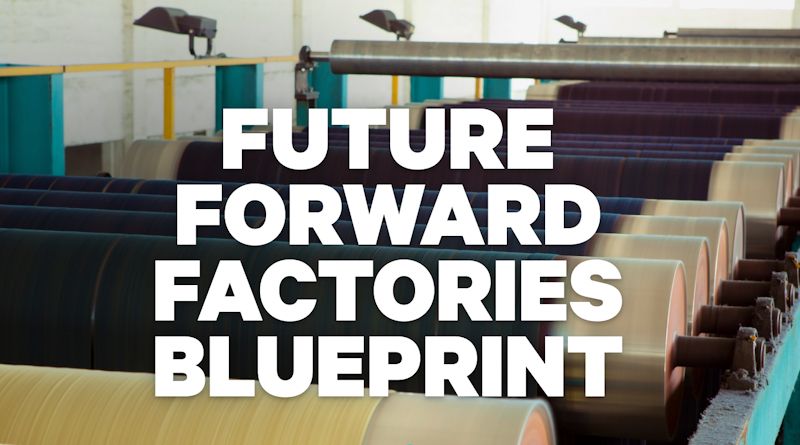





Fashion for Good has unveiled the first open-source blueprint for India’s Tier 2 textile factories, offering five practical pathways to achieve near-net-zero operations. Covering dyeing, treatment, and finishing facilities, the guide promises up to 93% carbon reduction, alongside water and energy savings, helping manufacturers balance sustainability with commercial viability.
The fashion industry’s environmental footprint has long been under scrutiny, with textile dyeing and finishing facilities identified as major contributors to pollution and emissions. In a landmark move, Fashion for Good has launched an open-source blueprint tailored for India’s Tier 2 textile manufacturers, aiming to break the decarbonisation deadlock and accelerate sustainable transformation.
Developed under the Future Forward Factory project, the blueprint provides five cost-effective technology pathways for factories producing cotton knits and wovens. By adopting these measures, manufacturers can achieve up to 93% reduction in carbon emissions, 33% reduction in water usage, and 41% reduction in electricity consumption. Importantly, the guide also includes detailed financial analysis, covering payback periods, internal rates of return, and net present value, ensuring that sustainability aligns with profitability.
Major Takeaways
Scope of Impact: Targets Tier 2 facilities—dyeing, treatment, and finishing units—responsible for significant emissions in the supply chain.
Five Pathways: Offers practical, scalable solutions for decarbonisation, tailored to product types and processes.
Environmental Gains: Potential for 93% carbon reduction, 33% water savings, and 41% electricity savings.
Financial Viability: Includes economic analysis to ensure adoption is commercially sustainable.
Open-Source Access: Available at no cost to manufacturers and brands, encouraging widespread adoption.
Notable Updates
The blueprint is designed to be replicable across India’s textile hubs, supporting both large and mid-sized manufacturers.
It reflects growing industry consensus that sustainability must be embedded into supply chains, not treated as an afterthought.
By making the blueprint open-source, Fashion for Good is fostering collaboration rather than competition, accelerating collective progress.
The initiative aligns with India’s broader climate commitments and the global push for responsible fashion production.
Conclusion: Fashion for Good’s blueprint is more than a technical guide—it’s a call to action for India’s textile industry. By combining environmental responsibility with financial feasibility, the initiative empowers factories to embrace sustainability without sacrificing competitiveness. If widely adopted, it could redefine how fashion is produced, setting a precedent for global supply chains.
Sources: Yahoo Finance, Ecotextile News, Fashion for Good