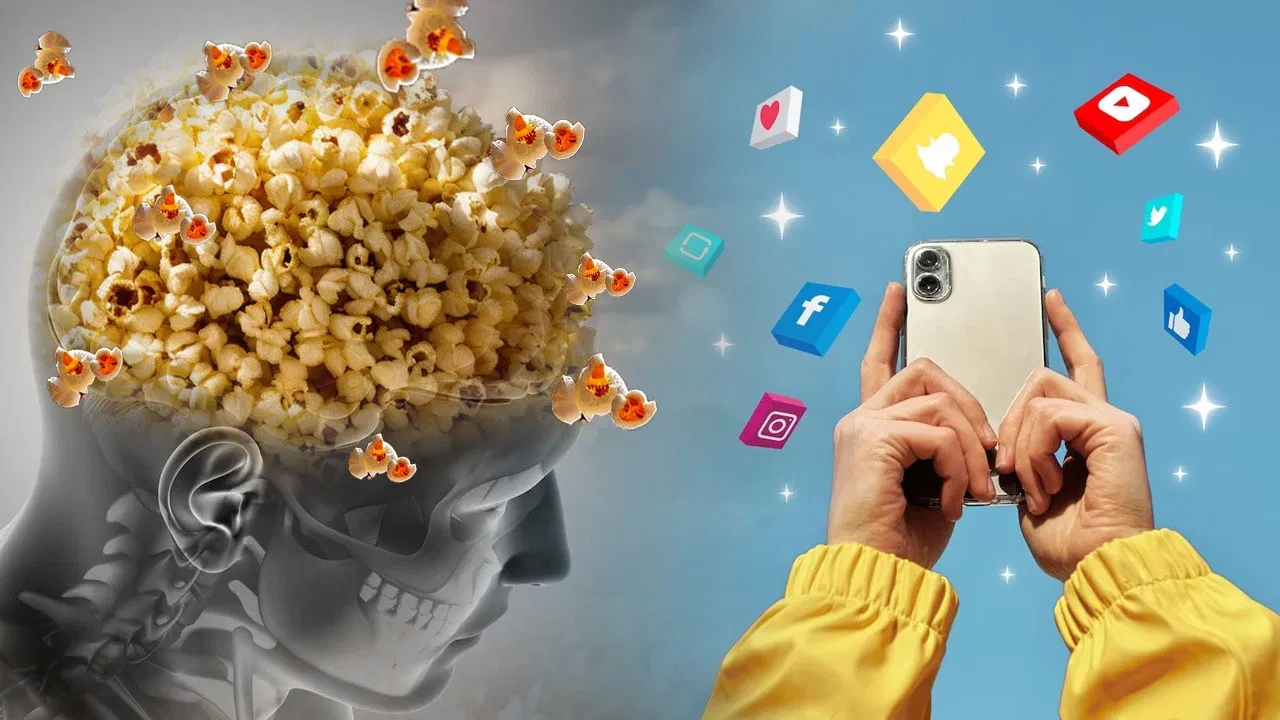




‘Popcorn Brain’ describes how constant exposure to fast-paced digital content shortens teenagers’ attention spans, disrupts deep thinking, and fuels restlessness. The brain craves continuous stimulus, making offline tasks feel slow and boring, affecting academic performance, emotional balance, and social engagement.
‘Popcorn Brain’ is a growing phenomenon where teens’ brains become conditioned to rapid, high-reward digital inputs like short videos and social media feeds. This overstimulation leads to fragmented attention, making it difficult to sustain focus on slower or more demanding tasks such as reading or studying.
Clinical psychologists highlight that continued exposure to fast content rewires the prefrontal cortex—the brain’s self-regulation center—resulting in impatience, anxiety, and decreased motivation. Offline activities lose appeal and can feel unbearably slow, prompting compulsive phone use even during conversations or breaks.
The syndrome also affects sleep quality and emotional resilience, causing irritability and mental fatigue. Teens particularly vulnerable, as their brains are still developing. Educators and parents observe reduced academic performance and challenges in social interactions.
Experts recommend digital detoxes, mindful screen use, and structured routines to counter ‘Popcorn Brain’ effects, fostering better concentration and mental well-being.
Source: Times of India, India Today, Hindustan Times, Mayo Clinic