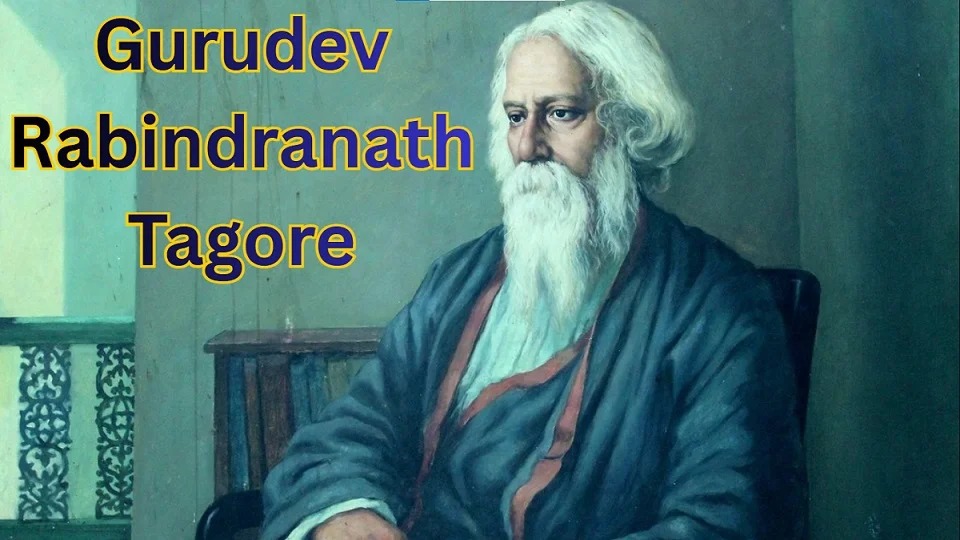
In 1913, Rabindranath Tagore became the first non-European Nobel Prize winner in Literature, despite having no formal academic background. Educated at home and briefly in England, Tagore’s poetry and prose captured universal themes of humanity, nature, and spirituality. His Nobel win marked a turning point for Indian and Asian cultural recognition worldwide.
Key Highlights:
Historic achievement: In 1913, Rabindranath Tagore won the Nobel Prize in Literature, becoming the first non-European recipient. His award was for Gitanjali (Song Offerings), a collection of deeply spiritual poems that resonated globally.
No formal education: Tagore was largely educated at home in Bengal, guided by his father Debendranath Tagore’s Brahmo Samaj ideals. Though he briefly attended school in England at age 17, he did not complete formal studies. Instead, his intellectual growth came from self-directed learning, literature, and close engagement with rural life.
Literary brilliance: Tagore’s works including poetry, essays, songs, and plays introduced colloquial Bengali language into literature, breaking away from rigid classical forms. His writings explored themes of faith, humanity, nature, and freedom, making him a cultural icon far beyond India.
Global impact: His Nobel Prize win was not just personal recognition but a historic moment for Asia, signaling that non-European voices could shape world literature. His influence extended to figures like W.B. Yeats, who admired and promoted his work in the West.
Educational reformer: Beyond writing, Tagore founded Shantiniketan, an experimental school in Bengal that emphasized holistic learning rooted in nature and culture. This institution later evolved into Visva-Bharati University, a hub for global cultural exchange.
Nationalist yet visionary: While Tagore supported India’s independence movement, he did so in a non-political, humanistic way, emphasizing unity and cultural pride over confrontation. His relationship with Mahatma Gandhi reflected mutual respect, though their approaches differed.
Legacy today: Tagore remains a towering figure in Indian and global culture. His songs are India’s national anthem (Jana Gana Mana) and Bangladesh’s (Amar Shonar Bangla). His Nobel Prize continues to inspire generations of writers and thinkers who challenge traditional boundaries of education and creativity.
Why It Matters
Tagore’s journey proves that formal education is not the only path to greatness. His Nobel Prize win was a breakthrough moment for India and Asia, validating the power of indigenous voices in global discourse. In today’s world, his story resonates with self-taught creators and innovators who redefine success.
Key takeaway: Rabindranath Tagore’s Nobel Prize was more than a literary honor: it was a cultural milestone, showing how creativity, vision, and self-learning can transcend borders and reshape history.
Sources: NobelPrize.org, Britannica, Hindustan Times, Buzz Staff (News18)