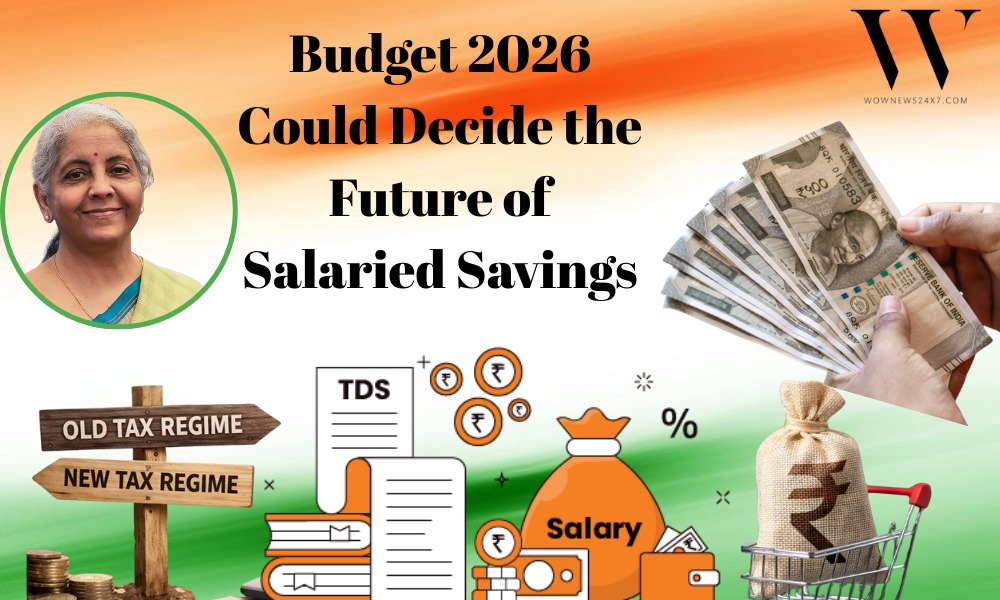

Key Highlights
-
Old Regime Still Alive: Despite speculation, the old tax regime will not be abolished suddenly, according to experts. It continues to appeal to salaried taxpayers who rely on deductions for housing, insurance, and retirement savings.
-
New Regime Push: The government is expected to sweeten the new regime by offering higher rebates or limited deductions, making it more appealing for those who prefer simpler slabs.
-
Nil Tax Threshold: Under the new regime, income up to ₹12.75 lakh is already tax-free, a major draw for middle-class earners.
-
Budget Expectations: Taxpayers anticipate clarity on capital gains, home loan benefits, and NPS deductions, alongside simpler ITR filing.
-
Expert View: The Institute of Chartered Accountants of India (ICAI) notes that the government’s approach is to encourage voluntary migration to the new regime rather than enforce abrupt changes.
The Current Debate
The old regime offers a wide range of deductions from Section 80C investments to housing loan interest, which remain crucial for long-term financial planning. Many salaried individuals still prefer this system, as deductions directly tie into retirement security and healthcare.
The new regime, introduced in 2020, simplifies tax slabs but eliminates most exemptions. While it promises transparency and ease of compliance, adoption has been uneven. For taxpayers without significant deductions, the new regime often results in lower tax outgo. However, those with home loans, insurance premiums, or provident fund contributions find the old regime more beneficial.
Why It Matters
Budget 2026 is expected to be a balancing act. The government aims to gradually shift taxpayers toward the new regime, aligning with its vision of a simplified tax structure. Yet, it must address concerns of the salaried class, who see deductions as more than tax breaks, they are pillars of financial security.
Outlook
If Budget 2026 enhances deduction limits under the new regime or introduces hybrid benefits, it could accelerate migration. For now, taxpayers are advised to compare both regimes carefully, factoring in income, lifestyle, and long-term savings goals before choosing.
Sources: NDTV, Business Today, The Financial Express, The Economic Times, ICAI