
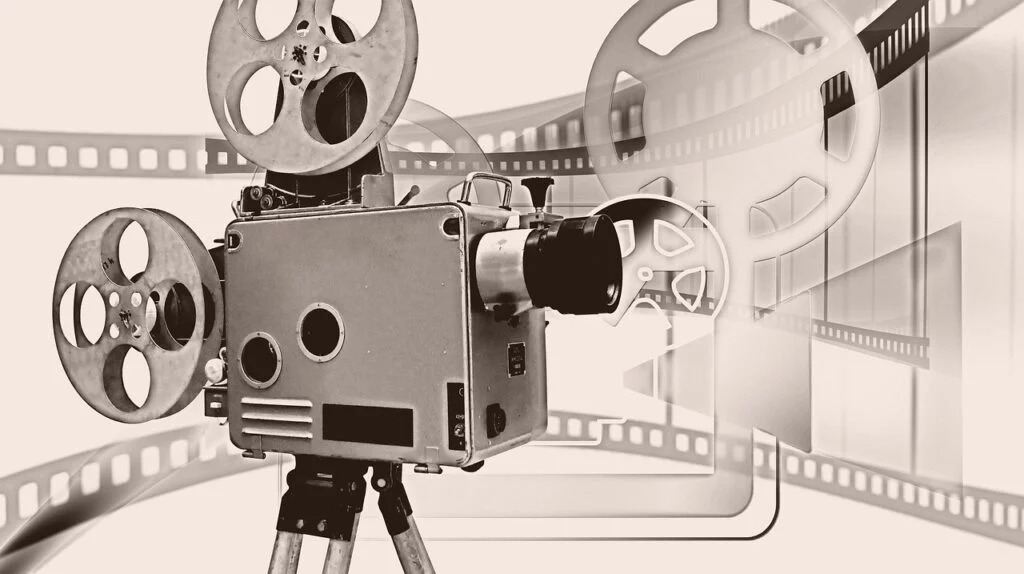
Contemporary filmmakers are increasingly drawing inspiration from existing films rather than traditional literature. This trend reflects a shift in storytelling, where directors reinterpret cinematic narratives, styles, and themes to create new works. While it raises debates on originality, it also highlights cinema’s evolving role as both art and source material.
For decades, literature served as the backbone of cinema, with novels, plays, and short stories providing rich material for adaptation. Today, however, a noticeable shift is underway. Filmmakers are increasingly watching films and reimagining them into new cinematic experiences, rather than relying on literary sources. This phenomenon is reshaping the creative landscape of global cinema.
The trend is evident in remakes, reboots, and reinterpretations across industries. Directors are not only revisiting classics but also drawing inspiration from contemporary films, experimenting with narrative structures, visual language, and cultural contexts. This approach allows them to explore fresh perspectives while connecting with audiences already familiar with the original works.
Critics argue that this reliance on films over literature risks narrowing creative diversity, potentially sidelining rich literary traditions. Yet, supporters believe it reflects cinema’s maturity as an art form—where films themselves become texts to be studied, deconstructed, and reimagined. The practice also aligns with modern audiences’ preference for visual storytelling, making adaptations more accessible and relatable.
Creative Shift
Filmmakers increasingly adapt films instead of novels or plays.
Remakes And Reboots
Classic and contemporary films are reinterpreted for new audiences.
Debates On Originality
Critics question creative diversity, while supporters see cinema evolving as its own source.
Audience Connection
Visual storytelling resonates more with modern viewers than literary adaptations.
Key Highlights
-
Cinema now serves as both art and source material
-
Remakes and reinterpretations dominate global film industries
-
Debates continue over originality versus accessibility
-
Trend reflects changing audience preferences for visual narratives
Future Outlook
As cinema continues to evolve, the practice of filmmakers drawing inspiration from films rather than literature is likely to expand. While it may challenge traditional notions of originality, it also underscores cinema’s growing influence as a cultural text, shaping the future of storytelling in the digital age.
Sources: The Hindu, Indian Express, Variety