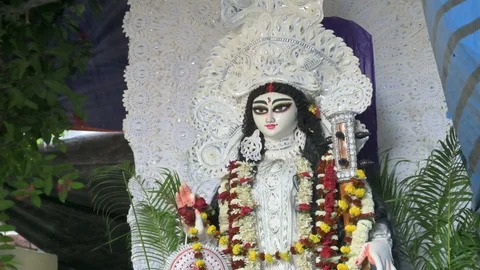

In Bengal, Saraswati Puja transcends its religious roots to become a cultural rite of passage. For students, artists, and young people, it marks a celebration of learning, creativity, and social milestones. The puja is as much about community and identity as it is about devotion.
Saraswati Puja, dedicated to the goddess of wisdom and learning, holds a unique place in Bengal’s cultural calendar. While rooted in Hindu tradition, in Bengal it has evolved into something far broader, a social and cultural milestone that blends devotion with youthful celebration.
For students, the puja is often their first independent festival, symbolizing the transition into adulthood. Schools and colleges organize grand events, where young people dress in traditional attire, exchange greetings, and participate in rituals that emphasize knowledge and creativity. The day is also associated with romance and friendships, as many recall Saraswati Puja as the first time they stepped into social spaces beyond family supervision.
Beyond the rituals, the puja is a celebration of Bengal’s intellectual and artistic spirit. Books, musical instruments, and tools of learning are placed before the goddess, reinforcing the value of education and creativity. Communities across Bengal, rrespective of religious identity take part, making it a festival of inclusivity and cultural pride.
Youthful Celebration
Students mark Saraswati Puja as their first independent festival.
Cultural Identity
The puja blends devotion with Bengal’s intellectual and artistic traditions.
Social Milestone
Often remembered as a day of friendships, romance, and community bonding.
Key Highlights
-
Saraswati Puja in Bengal is more cultural than religious
-
Celebrated widely in schools and colleges as a rite of passage
-
Books and instruments offered to the goddess symbolize learning
-
Festival fosters inclusivity and youthful social connections
Future Outlook
As Bengal continues to embrace modernity, Saraswati Puja remains a timeless reminder of the region’s devotion to knowledge, creativity, and community. Its transformation into a rite of passage ensures that the festival will continue to resonate with generations to come.
Sources: The Telegraph India, The Hindu, Indian Express