







Nepal is set to allow Indian currency notes above ₹100, following a recent RBI regulatory change, easing travel, trade, and remittance flows between the two nations. The move will benefit millions of travelers and boost Nepal’s tourism and hospitality sectors.
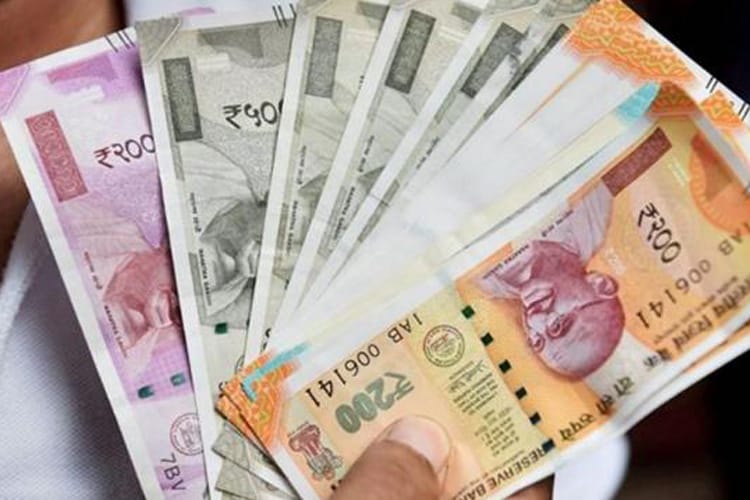
In a landmark move, Nepal is set to allow Indian currency notes above ₹100 for the first time in nearly a decade, easing longstanding restrictions that have hampered cross-border travel, trade, and remittances between India and Nepal. The decision follows a recent regulatory amendment by India’s Reserve Bank (RBI), marking a significant shift in bilateral financial relations.
Key Highlights
-
New Regulatory Framework: Individuals can now carry Indian currency notes up to ₹100 in any amount to Nepal and back. For notes above ₹100, the limit is set at ₹25,000 in either direction. This rule applies to all travelers except citizens of Pakistan and Bangladesh, who remain subject to stricter controls.
-
Final Steps Underway: The Nepal Rastra Bank (NRB) is finalizing the official notification and will soon publish it in the Nepal Gazette. Banks and financial institutions will be informed shortly, making the new rule effective in the coming days.
-
Impact on Travel and Trade: The relaxation will benefit Nepali migrant workers, students, pilgrims, medical visitors, and tourists from both countries. It will reduce the inconvenience and risk of fines or detentions that have plagued travelers carrying high-denomination Indian notes.
-
Boost for Tourism and Economy: Nepal’s tourism and hospitality sectors, especially in border towns and pilgrimage routes, are expected to receive a major boost. Many businesses depend on Indian visitors, and the move will facilitate smoother transactions in remote areas where digital payments are less reliable.
-
Security and Regulatory Balance: The restrictions were originally imposed after India’s 2016 demonetisation to curb counterfeit currency and security risks. The new rule balances ease of cross-border movement with regulatory oversight, reflecting improved bilateral cooperation.
Sources: Moneycontrol, Business Standard, Economic Times, Outlook Business, The Wire, Kathmandu Post