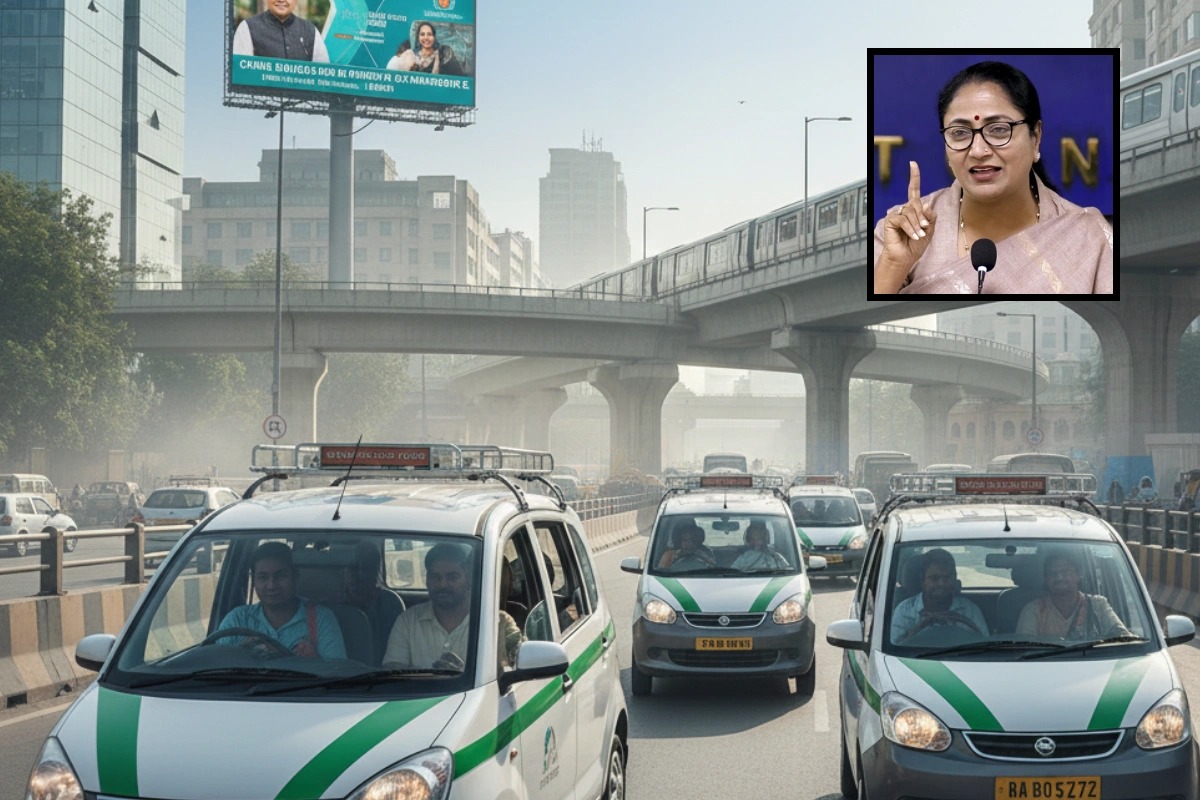




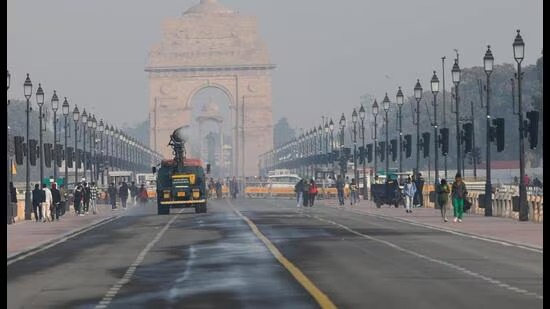


The Delhi government has announced a new transport strategy to combat air pollution and traffic congestion. Shared taxi services and electric vehicles will be central to the plan, reducing the number of cars on roads while ensuring commuter convenience. Aggregators like Ola and Uber are being engaged to implement reforms.
Delhi’s Pollution Control Plan: Shared Mobility & EVs at the Core
Delhi Chief Minister Rekha Gupta has unveiled a comprehensive transport reform aimed at tackling the capital’s worsening air quality. The initiative emphasizes shared rides and electric mobility as key solutions to reduce vehicular load, improve traffic flow, and ensure cleaner air.
Key Highlights:
-
Shared Taxis: Revival of shared taxi services, discontinued during the pandemic, to ease congestion.
-
Electric Vehicle Push: Ola, Uber, and other aggregators encouraged to expand EV fleets and integrate private EVs.
-
Reduced Vehicular Load: Fewer cars carrying more passengers to balance convenience with sustainability.
-
Policy Reforms: Updates to aggregator policies prioritizing eco-friendly services and affordability.
-
Commuter Benefits: Office-goers and daily travelers expected to benefit from cheaper, faster, and greener transport.
-
Government Aggregator Talks: Meetings scheduled with cab companies to finalize shared and EV-based ride modalities.
-
This initiative highlights Delhi’s commitment to sustainable urban mobility, positioning shared and clean transport as the backbone of its pollution control strategy.
Sources: The Hans India, Times of India, Hindustan Times, Shillong Times, UNI India