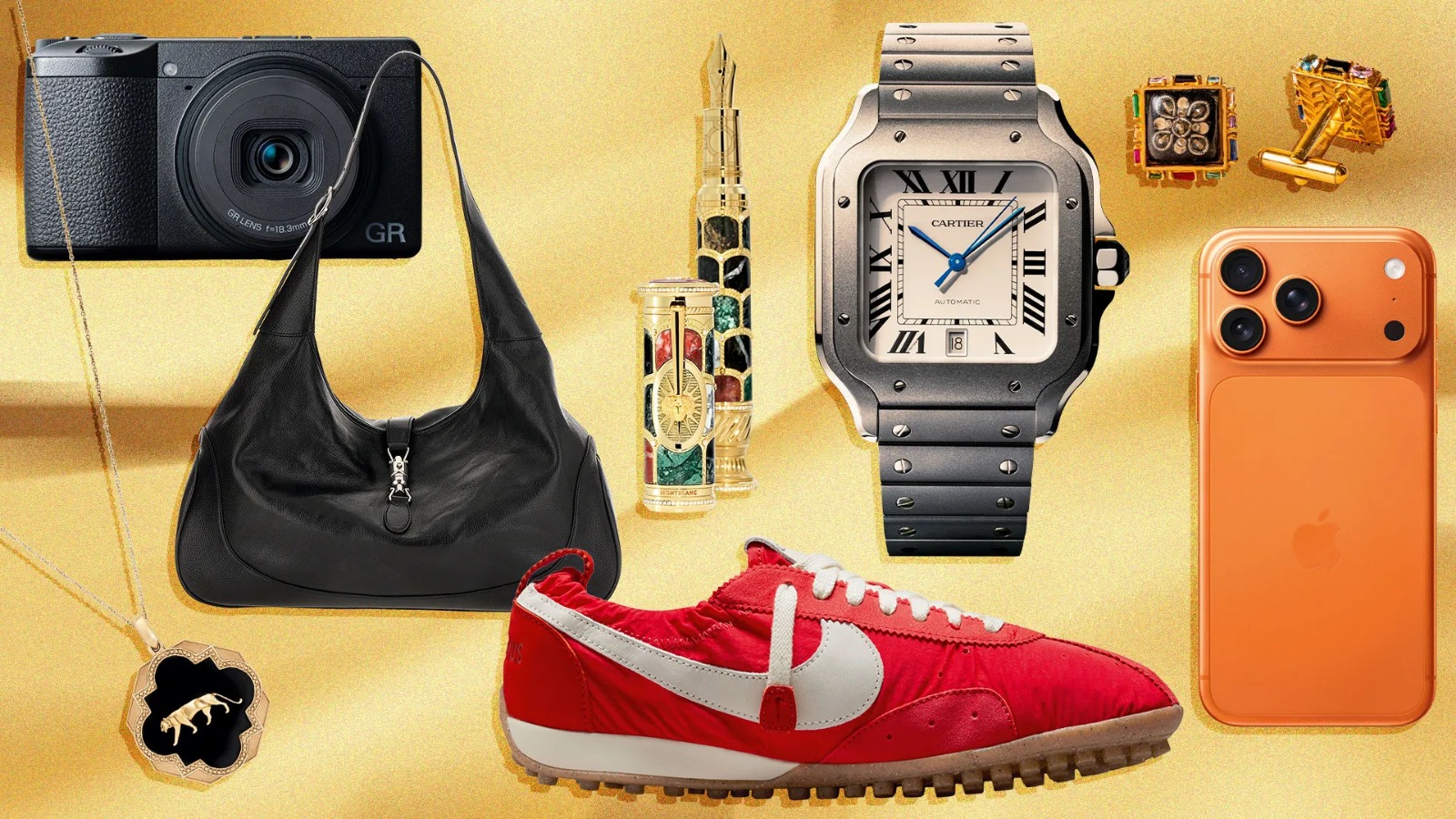







The year 2025 witnessed a surge in luxury consumption, with bold, innovative, and rare objects making it to the covet list. From high-jewelry masterpieces and futuristic watches to bespoke automobiles and sustainable fashion, these items reflected evolving tastes, blending heritage craftsmanship with modern innovation and exclusivity
Luxury in 2025 was not just about opulence but about individuality, sustainability, and storytelling. Consumers across the globe sought objects that combined artistry with innovation, making them symbols of status and personal expression. The covet list of 2025 highlighted how luxury continues to evolve, embracing technology, sustainability, and cultural heritage.
Key highlights from the announcement include
-
High-jewelry pieces featuring rare colored diamonds and avant-garde designs became the centerpiece of luxury collections.
-
Swiss watchmakers introduced futuristic timepieces with AI integration, offering personalization while maintaining traditional mechanical excellence.
-
Luxury automobiles such as limited-edition electric hypercars redefined performance and sustainability, merging speed with eco-conscious engineering.
-
Fashion houses emphasized sustainable couture, using recycled materials and ethical sourcing, appealing to environmentally aware consumers.
-
Exclusive collaborations between artists and luxury brands produced collectible objects that blurred the line between art and utility.
-
Personalized luxury experiences, from bespoke travel to custom fragrances, gained prominence as consumers sought individuality over mass exclusivity.
-
Technology-driven luxury, including smart jewelry and immersive digital collectibles, expanded the definition of what it means to own rare objects.
-
Global demand for luxury surged in markets like India, the Middle East, and Southeast Asia, reflecting rising affluence and aspirational lifestyles.
The covet list of 2025 underscored a shift in luxury from mere possession to meaningful ownership. Objects were valued not only for rarity and price but also for their ability to tell stories, embody innovation, and reflect personal values. As 2026 approaches, the luxury industry is expected to further embrace sustainability, personalization, and digital integration, ensuring that desire continues to evolve with changing times.
Sources: Vogue Business, Financial Times, Economic Times, Harper’s Bazaar