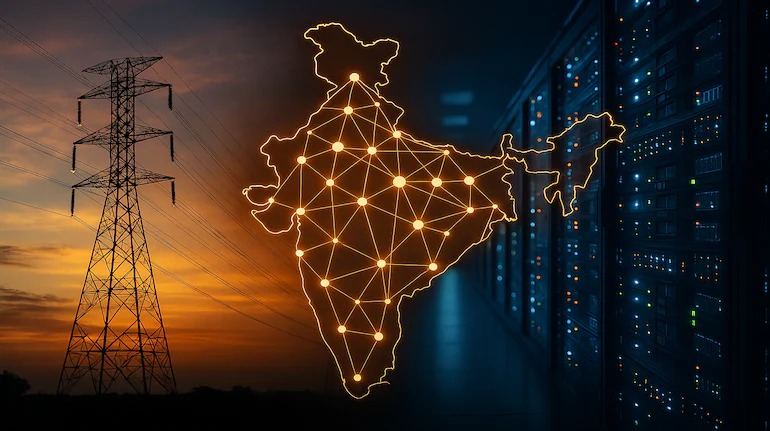

India’s Micro, Small, and Medium Enterprises (MSMEs), contributing nearly 30% of GDP and 45% of exports, are at the heart of the nation’s growth story. In 2026, digitalisation—through AI, cloud, and automation—is seen as the key to boosting productivity, bridging credit gaps, and enhancing global competitiveness for millions of enterprises.
India’s MSMEs, long regarded as the backbone of the economy, are undergoing a transformative shift. With the government and industry leaders pushing for digital adoption, MSMEs are expected to dramatically expand their role in GDP, exports, and job creation.
Experts highlight that AI, automation, and cloud technologies are now accessible even to the smallest enterprises, enabling them to reimagine operations, improve efficiency, and serve new markets with agility. Structural reforms—including district-level training programs and a ₹45,000 crore export growth package—aim to bridge the ₹30 lakh crore credit gap while strengthening compliance and sustainability.
This digitalisation drive is not just about technology; it’s about capability building, financial support, and infrastructure, ensuring MSMEs can compete globally while contributing to India’s long-term growth trajectory.
Notable Updates and Major Takeaways
Economic role: MSMEs contribute 30% of GDP and 45% of exports.
Digital push: AI, cloud, and automation now accessible to small enterprises.
Reforms: Training programs and ₹45,000 crore export package announced.
Credit gap: Efforts to bridge ₹30 lakh crore financing shortfall.
Global competitiveness: Digital compliance tools to boost exports and sustainability.
Conclusion
The digitalisation of MSMEs is emerging as a national imperative. By combining technology with structural reforms, India is unlocking its growth engine, positioning MSMEs as drivers of innovation, exports, and inclusive development in 2026 and beyond.
Sources: The Hindu BusinessLine, AInvest, LinkedIn