
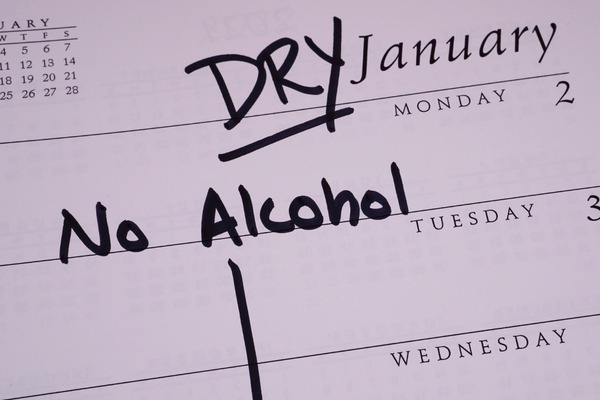
Dry January, a wellness challenge that began in the UK, encourages people to abstain from alcohol for the entire month. Participants report benefits such as improved sleep, mental clarity, better digestion, and financial savings. Experts suggest practical strategies to succeed, making it a popular global health trend in 2026.
Dry January has become one of the fastest-growing wellness movements worldwide, offering individuals a chance to reset their relationship with alcohol at the start of the year. Originating in the UK in the early 2010s as a public health campaign by Alcohol Change UK, the initiative has now spread globally, with millions committing to 31 alcohol-free days. The idea is simple yet impactful: abstain from drinking for January to give the body and mind a fresh start.
Key highlights from the announcement include
-
Dry January encourages abstaining from alcohol for the month of January to promote wellness.
-
The campaign began in the UK and has expanded globally, with growing participation each year.
-
Reported benefits include improved sleep quality, sharper mental clarity, better digestion, and reduced calorie intake.
-
Financial savings are another advantage, as participants cut back on spending associated with alcohol.
-
Experts highlight that the challenge helps individuals reassess their drinking habits and build healthier routines.
-
Tips for success include setting clear intentions, replacing alcohol with healthier alternatives, and seeking social support.
-
Week-by-week changes often include improved hydration, better energy levels, and enhanced mood stability.
-
The initiative is not about permanent abstinence but about creating awareness and balance in lifestyle choices.
Dry January offers a gentle reminder that wellness does not always require dramatic overhauls. By committing to a month without alcohol, participants often discover long-term benefits that extend beyond January, including healthier habits and greater mindfulness about consumption. With rising global interest, Dry January continues to symbolize resilience, self-care, and a proactive approach to health in 2026.
Sources: NDTV Food, Dr. Axe, Soberish