








In 2025, anti-inflammatory diets have surged in popularity as people seek sustainable ways to prevent chronic disease and promote longevity. Rooted in plant-rich foods, lean proteins, and healthy fats, these diets reduce inflammation, improve quality of life, and align with broader wellness trends like probiotics and high-protein nutrition.
The year 2025 has seen anti-inflammatory diets emerge as a cornerstone of modern nutrition, with growing evidence linking them to improved longevity and reduced risk of chronic diseases. From the Mediterranean diet to plant-forward eating patterns, the focus has shifted toward foods that calm inflammation—a root cause of many age-related conditions.
A recent systematic review published in BMJ Nutrition, Prevention & Health highlighted that adults with chronic diseases experienced significant improvements in health-related quality of life when following anti-inflammatory diets. These findings reinforce the idea that nutrition is not just about weight management but about long-term disease prevention and vitality.
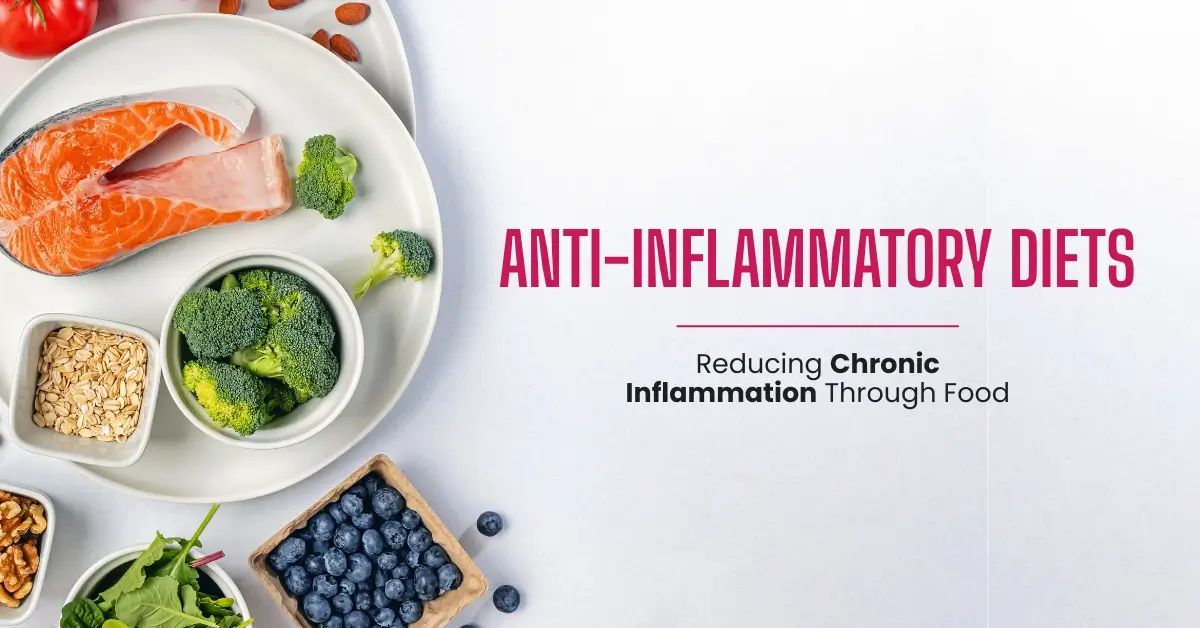
Meanwhile, wellness platforms and nutrition experts emphasize that anti-inflammatory eating is more lifestyle than fad. It encourages whole grains, leafy greens, berries, nuts, olive oil, and fatty fish, while discouraging processed foods, refined sugars, and trans fats. The approach dovetails with other 2025 diet trends such as probiotics for gut health and high-protein meals for strength and longevity.
Key Highlights And Notable Updates
• Anti-inflammatory diets gained traction in 2025 as a leading nutrition trend for longevity and disease prevention
• BMJ systematic review found improved quality of life among adults with chronic disease following these diets
• Core foods include leafy greens, berries, nuts, olive oil, legumes, and fatty fish
• Processed foods, refined sugars, and trans fats are discouraged to reduce inflammation
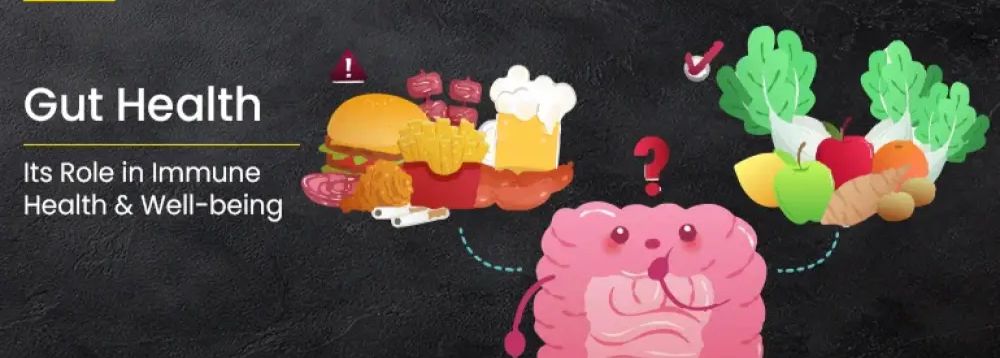
• Aligns with broader diet trends: probiotics, high-protein meals, and fiber-rich foods
• Seen as a lifestyle choice rather than a short-term diet, promoting sustainable wellness
Conclusion
The rise of anti-inflammatory diets in 2025 reflects a global shift toward preventive health and mindful eating. By focusing on foods that fight inflammation, individuals are not only managing weight but also investing in long-term vitality. As research continues to validate these benefits, anti-inflammatory eating is poised to remain a defining wellness trend.
Sources: iDiva, BMJ Nutrition, Prevention & HealthBMJ Nutrition, Prevention & Health, Harvard Health