







Intermittent fasting has surged in popularity across 2025 as a preferred weight management method. Unlike traditional calorie-cutting diets, fasting focuses on timed eating windows, offering metabolic benefits, improved gut health, and sustainable results. Studies suggest it may outperform calorie restriction, making it one of the year’s most talked-about health trends.
The year 2025 has seen intermittent fasting rise as a mainstream approach to weight management, with millions adopting it as an alternative to calorie-counting diets. Health experts highlight that fasting is not about reducing food quantity but about structuring eating patterns to optimize metabolism, energy, and long-term sustainability.
A Harvard Health study compared fasting with calorie restriction, finding that intermittent fasting methods like the 4:3 plan (four days of normal eating, three days of fasting) may lead to greater weight loss than traditional calorie cuts. Participants reported improved adherence and reduced stress compared to constant calorie monitoring.
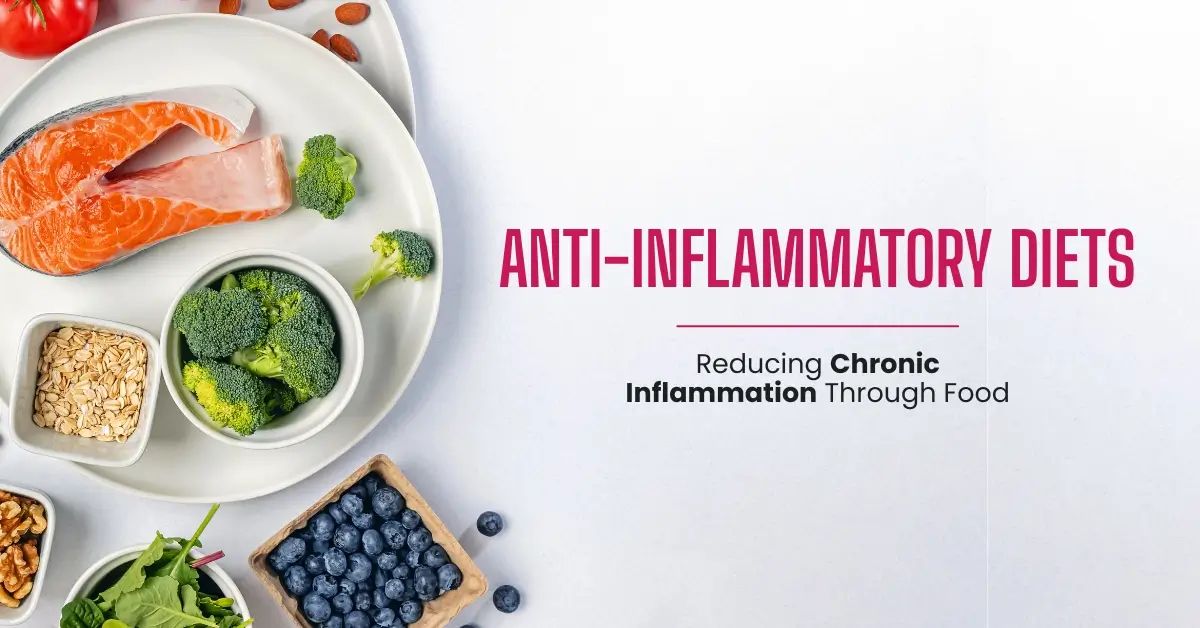
Meanwhile, nutrition analysts note that fasting aligns with broader diet trends of 2025, including high-protein meals, probiotic-rich foods, and anti-inflammatory diets. Together, these approaches emphasize quality over quantity, reshaping how people view health and nutrition.
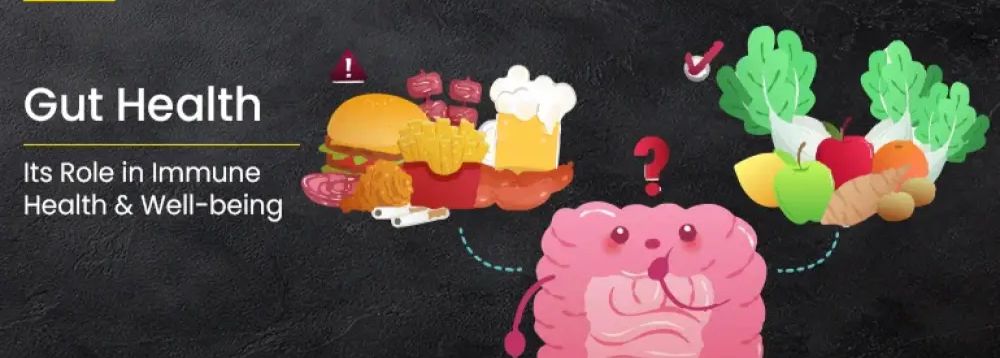
Scientific research also supports fasting’s benefits beyond weight control. Studies show improvements in gut health, insulin sensitivity, and inflammation reduction, making it a holistic lifestyle choice rather than a short-term diet.
Key Highlights And Notable Updates
• Intermittent fasting surged in 2025 as a sustainable alternative to calorie restriction
• Harvard Health study found fasting may outperform calorie counting for weight loss
• Popular methods include the 4:3 plan and early fasting (5 p.m.–9 a.m.)ScienceDaily
• Benefits extend to gut health, insulin sensitivity, and reduced inflammation
• Broader diet trends emphasize protein, probiotics, and anti-inflammatory foodsiDiva
• Fasting seen as lifestyle-driven, focusing on metabolic health rather than strict calorie cuts
Conclusion
Intermittent fasting’s rise in 2025 reflects a shift in health priorities—from restrictive dieting to mindful, science-backed eating patterns. By focusing on when rather than how much people eat, fasting offers a practical, sustainable path to weight management and overall wellness. As more studies validate its benefits, fasting is poised to remain a cornerstone of modern nutrition.
Sources: iDiva, Harvard HealthHarvard Health, ScienceDaily