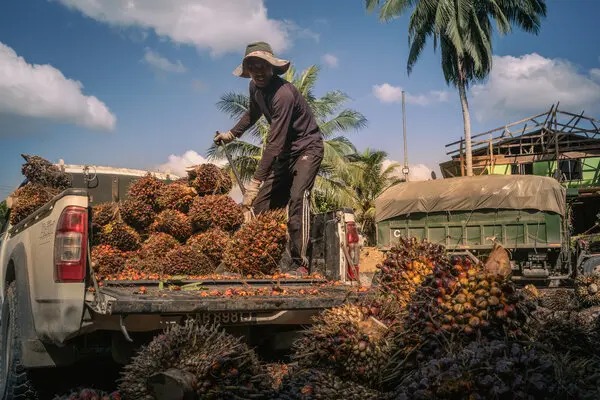





Indonesia, the global leader in palm oil production, shipped 2.01 million metric tons of crude and refined palm oil in March 2025, as reported by the national statistics bureau. The latest data highlight Indonesia's continued dominance of the global edible oil market, even as export policy changes and global demand patterns influence the industry outlook.
Key Highlights:
-
Sustained Export Volumes: The March export volume of 2.01 million metric tons follows strong shipments throughout the year, as exports in February totaled 2.06 million tons—a four-month high attributed to previous export tax reductions that sent Indonesian palm oil prices lower than Malaysian supplies.
-
Policy Adjustments Affecting Trade: Late in March, Indonesia increased its plantation fund tariff on crude palm oil shipments from $71.57 to $76.38 per ton as a reaction to increased reference prices. The action will likely affect export margins and has the potential to affect shipping volumes in the near term.
-
Global Price and Demand Trends: The increase in exports in the first half of this year aided to bring down domestic stocks and buoy palm oil prices, which are still above competitor soyoil. Of late, however, there has been some fluctuation as key buyer India switches to other oils owing to an increase in import duties and elevated palm oil prices.
-
Sector Outlook: In spite of short-term volatility, Indonesia's palm oil exports are expected to see 24 million metric tons for 2025/26 underpinned by stable industrial off-take and Indonesia's growing biodiesel blending obligation.
With export regulations changing and international demand trends modifying, all eyes continue to be on Indonesia as it treads the intricate path of the globe's edible oil trade.
Sources: Reuters, USDA/FAS, SunSirs, Global Trade Alert