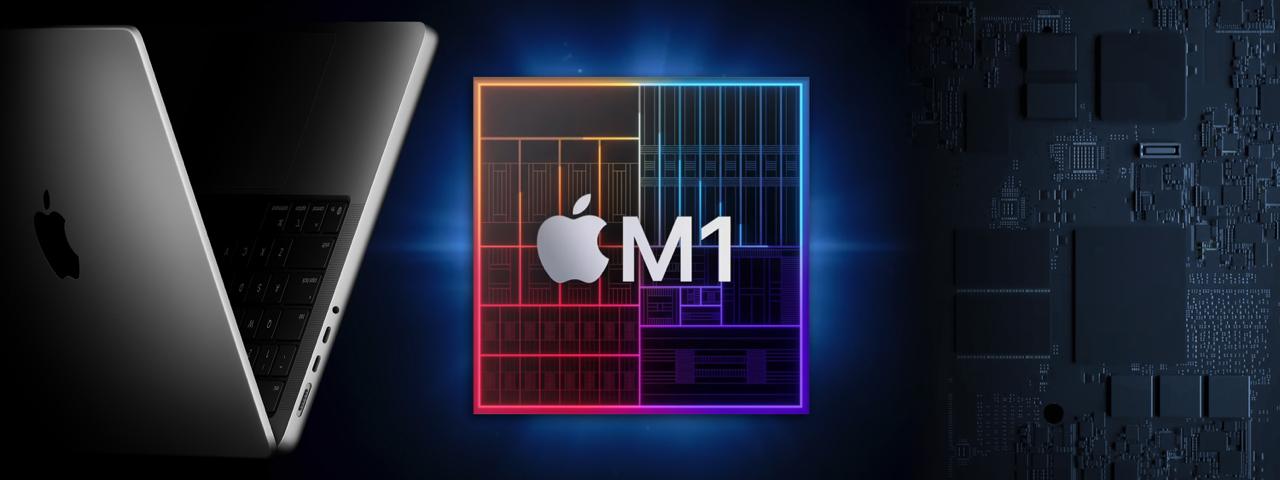






Five years after Apple ditched Intel, the M-series—from M1 to today’s M5—has reshaped computing with industry-leading performance per watt, unified memory, and tight hardware–software integration. As Apple explores US-based manufacturing partnerships, the next phase could blend design control with diversified production, extending Apple silicon’s edge across Macs, iPads, and beyond.
When Apple announced its transition from Intel to custom silicon, skeptics expected turbulence. Instead, the M1 set a new baseline: instant wake, silent thermals, and desktop-class performance on laptop power budgets. Successive chips (M2–M5) have advanced efficiency, graphics, and AI acceleration, cementing Apple silicon as a reference point for modern personal computing.
The architectural strategy—unified memory, high-bandwidth caches, and dedicated media/AI engines—delivered real-world gains: longer battery life, sustained performance without throttling, and optimized pro workflows in Final Cut, Logic, Xcode, and third-party apps. Apple’s end-to-end control enabled rapid OS feature adoption and hardware specialization across Mac tiers—from Air to Pro—without fragmenting developer targets.
Looking ahead, reports suggest Apple may complement TSMC with Intel Foundry for entry-level M-series by 2027, aiming to diversify supply chains and expand US manufacturing while retaining in-house design leadership. If realized, it would mark a pragmatic evolution: Apple keeps architectural direction while broadening fabrication options to scale future product lines.
Major takeaways and notable updates
Performance per watt lead: M-series set efficiency and sustained performance benchmarks, redefining laptop expectations.
Unified memory advantage: High-bandwidth shared memory simplifies workflows and boosts compute/graphics synergy.
Software synergy: Tight macOS integration accelerates pro and AI workloads across the stack.
Next phase: Potential Intel Foundry partnership could diversify manufacturing without ceding design control.
Beyond Macs: Apple silicon roadmaps increasingly influence iPads and other devices, expanding the ecosystem’s reach.
Conclusion
Apple’s silicon gamble paid off: five years on, M-series chips reoriented the industry around efficiency, integration, and specialized compute. If manufacturing diversification materializes, Apple could pair design sovereignty with resilient supply chains—keeping its momentum while scaling the next generation of personal computing.
Sources: Tom’s Guide; Times of India; AppleScoop