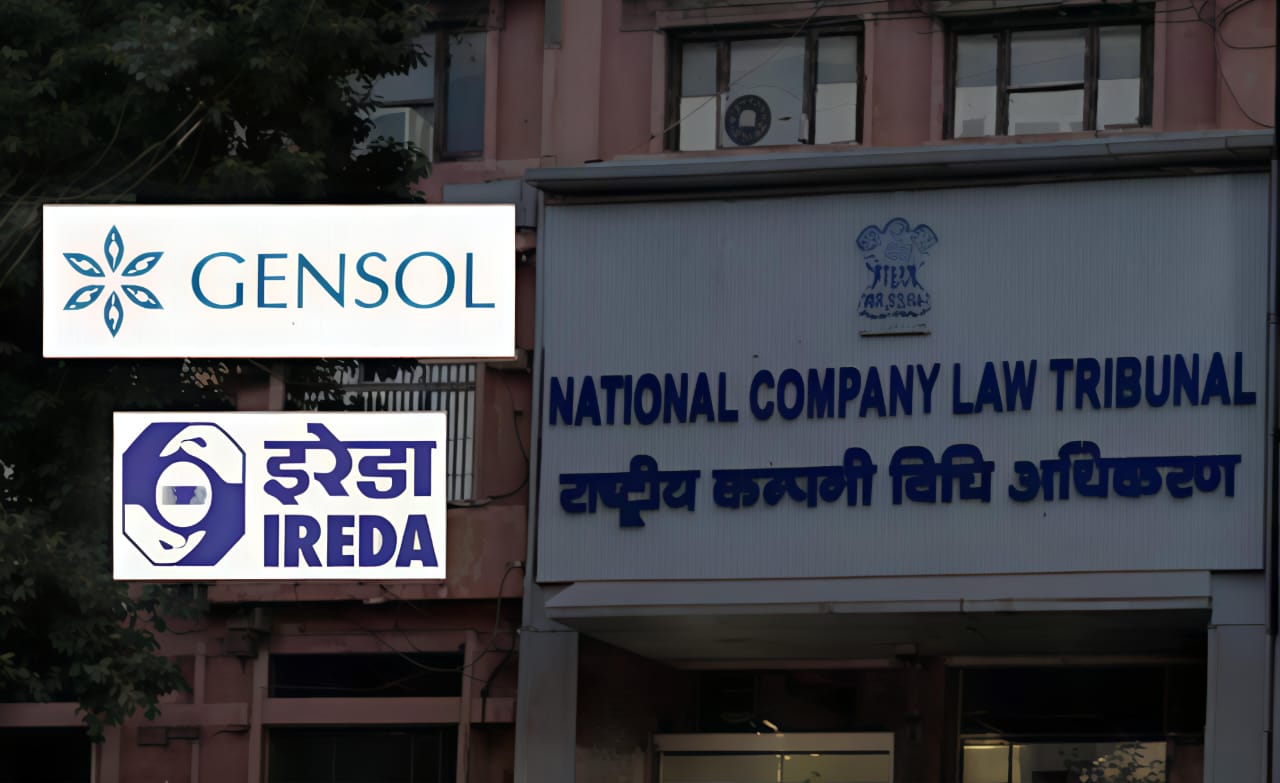


Gensol Engineering Limited, the parent of electric mobility platform BluSmart, has been formally admitted into the Corporate Insolvency Resolution Process (CIRP) by the National Company Law Tribunal (NCLT) Ahmedabad bench following a ₹510 crore loan default petition filed by the Indian Renewable Energy Development Agency (IREDA). This dramatic development comes amid a storm of regulatory scrutiny, allegations of massive fund diversion, and a leadership exodus.
Key Highlights
-
NCLT Admission: On June 13, the NCLT admitted IREDA’s insolvency plea against Gensol Engineering and its subsidiary Gensol EV Lease, appointing an Interim Resolution Professional (IRP) from the IBBI panel to oversee the company’s management and initiate creditor committee formation.
-
Leadership Vacuum: IREDA pressed for urgent oversight, citing that Gensol had become “headless” after the exit of key promoters Anmol Singh Jaggi and Puneet Singh Jaggi amid ongoing investigations.
-
Regulatory Crackdown: The Securities and Exchange Board of India (SEBI) and the Ministry of Corporate Affairs (MCA) allege diversion of over ₹200 crore, submission of forged documents, and grave violations of corporate governance. SEBI has barred the promoters from holding board positions and accessing the securities market.
-
Asset Freeze: NCLT has ordered the freezing of all bank accounts, demat accounts, and lockers of Gensol and related entities. The National Company Law Appellate Tribunal (NCLAT) has refused to lift the freeze.
-
Market Impact: Gensol’s share price crashed over 95% from its peak, hitting the lower circuit at ₹49.43 on the Bombay Stock Exchange, reflecting investor panic and massive wealth erosion.
-
Further Legal Action: IREDA and other creditors have filed complaints with the Economic Offences Wing (EOW) over alleged falsification of documents and unauthorized stake dilution by Gensol’s promoters.
-
Next Steps: The IRP will now manage Gensol’s affairs, and a committee of creditors will evaluate resolution plans. If no plan is approved within 180–330 days, liquidation is likely.
This insolvency marks a stunning fall for a once high-flying clean energy firm and signals heightened regulatory vigilance in India’s booming EV and renewable sectors.
Source: Business Standard, Financial Express, Bar & Bench, Samco, Outlook Business, BusinessWorld.