

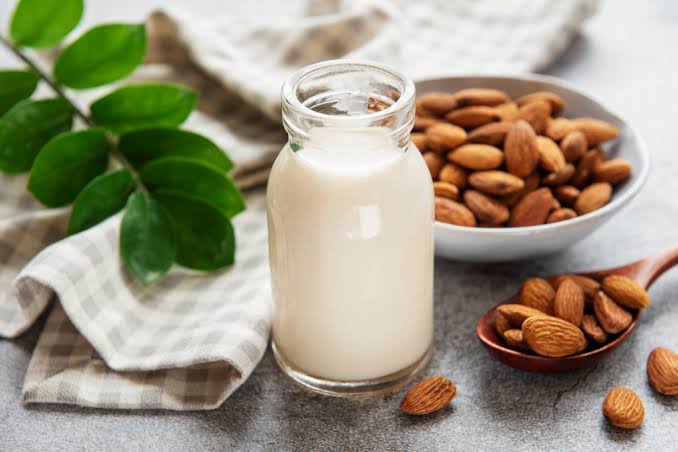
This newsletter explains how to make fresh almond milk at home using simple ingredients and tools. It covers preparation, soaking, blending, straining, storage, and customization, highlighting health benefits, cost savings, and sustainability compared to store-bought alternatives.
Homemade almond milk has become increasingly popular as people look for cleaner, preservative-free alternatives to packaged plant-based drinks. Making almond milk at home is not only cost-effective but also allows full control over ingredients, sweetness, and texture. With just almonds, water, and a few minutes of preparation, you can enjoy fresh, nutritious almond milk anytime.
Key Highlights
-
Homemade almond milk contains no additives, gums, or preservatives
-
It is naturally dairy-free, vegan, and suitable for lactose-intolerant diets
-
You can customize sweetness and flavor to your preference
-
It is more environmentally friendly due to reduced packaging waste
Step-By-Step Guide
Step 1: Choose Raw Almonds
Start with high-quality raw almonds. Organic almonds are preferred as they are free from chemical residues and deliver better flavor.
Step 2: Soak The Almonds
Soak one cup of almonds in water for 8 to 12 hours or overnight. This softens the almonds, improves digestibility, and enhances nutrient absorption.
Step 3: Rinse And Peel
Drain and rinse the soaked almonds thoroughly. For smoother milk, gently peel off the almond skins, though this step is optional.
Step 4: Blend With Fresh Water
Add the soaked almonds to a blender with three to four cups of fresh, filtered water. Blend for 1 to 2 minutes until the mixture becomes creamy and white.
Step 5: Strain The Mixture
Pour the blended liquid through a nut milk bag, cheesecloth, or fine strainer into a bowl. Squeeze gently to extract as much milk as possible.
Step 6: Flavor If Desired
At this stage, you can add natural sweeteners like dates or honey, or flavorings such as vanilla or cinnamon. Blend again briefly if adding extras.
Step 7: Store Properly
Transfer the almond milk to a clean glass bottle or jar and refrigerate. Homemade almond milk stays fresh for up to 3 to 4 days.
Why Homemade Almond Milk Matters
Preparing almond milk at home supports healthier choices by reducing sugar intake and avoiding artificial ingredients. It also promotes mindful consumption and kitchen sustainability, making it a practical option for everyday nutrition.
Sources: Healthline, BBC Good Food, Harvard T.H. Chan School of Public Health