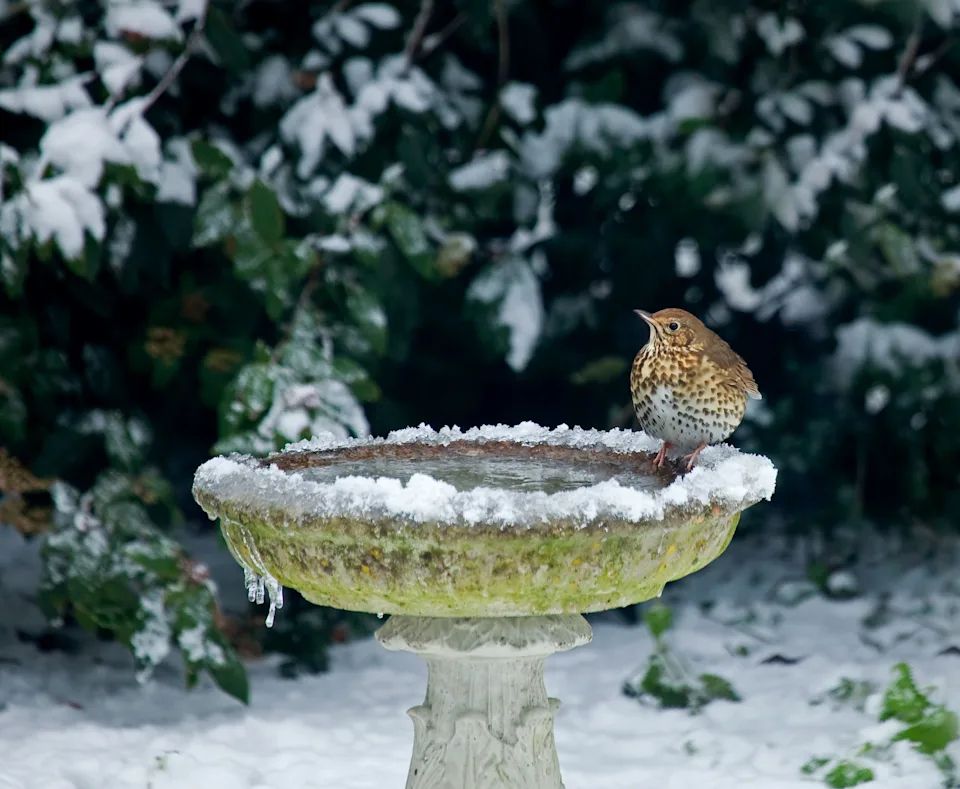








As freezing temperatures grip regions, experts urge communities to support wildlife during cold snaps. Simple actions like keeping bird baths ice-free, offering high-energy food, and providing shelter can help animals survive harsh conditions. These small interventions boost biodiversity, protect vulnerable species, and strengthen the bond between humans and nature.
Winter’s icy grip can be unforgiving for wildlife, with frozen water sources, dwindling food supplies, and disappearing shelters. According to RTÉ, World Animal Protection, and Roundwood Gardening, garden creatures—from birds to small mammals—need thoughtful support to endure the season.
Experts emphasize that helping wildlife doesn’t mean interfering with their natural behaviors but rather removing barriers to survival. By offering accessible food, water, and shelter, individuals can make a meaningful difference in their own backyards.
Notable Updates and Major Takeaways
De-ice bird baths: Provide fresh, ice-free water daily for birds and small animals.
High-energy food: Seeds, nuts, and fat balls help birds maintain energy in freezing weather.
Safe shelter: Leave leaf piles, hedges, or small boxes for hedgehogs, squirrels, and insects.
Avoid overfeeding: Support wildlife without disrupting natural foraging instincts.
Garden habits: Delay cutting back shrubs or clearing leaves to preserve natural cover.
Respect boundaries: Never bring wild animals indoors; aid them safely in their environment.
Conclusion
Supporting wildlife during cold snaps is about small, mindful actions that protect biodiversity and sustain ecosystems. By keeping water accessible, food available, and shelters intact, communities can ensure that nature’s creatures survive winter’s harshest days.
Sources: RTÉ, World Animal Protection, Roundwood Gardening