
A senior cardiologist with 40 years of experience has shared practical tips for Indians going gluten-free. By replacing wheat-based staples with traditional alternatives like millets, rice, and gram flour, individuals can maintain taste and nutrition. These swaps highlight India’s rich culinary heritage while supporting heart health and modern dietary needs.
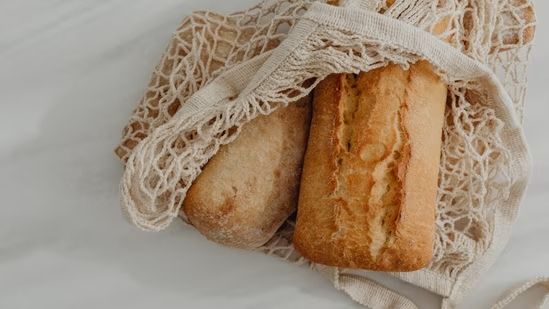
With gluten-free diets gaining popularity, a seasoned cardiologist has emphasized that Indians need not struggle with bland substitutes. Instead, the country’s own culinary traditions offer nutritious, flavorful alternatives to wheat and refined flour.
The expert suggests incorporating millets (ragi, jowar, bajra), rice-based dishes, and gram flour preparations into daily meals. These swaps not only align with gluten-free requirements but also provide fiber, protein, and essential minerals, making them suitable for heart health and overall wellness.
The advice underscores how India’s indigenous grains and flours can seamlessly fit into modern dietary trends, ensuring that going gluten-free remains both sustainable and culturally rooted.
Key Highlights / Major Takeaways
Millets (ragi, jowar, bajra) as wholesome replacements for wheat
Rice-based staples like dosa, idli, and poha fit gluten-free diets
Gram flour (besan) offers protein-rich options for snacks and meals
Traditional Indian foods provide taste, nutrition, and cultural continuity
Gluten-free swaps support heart health and digestive wellness
Sources: The Hindu Lifestyle, Times of India Health, NDTV Food