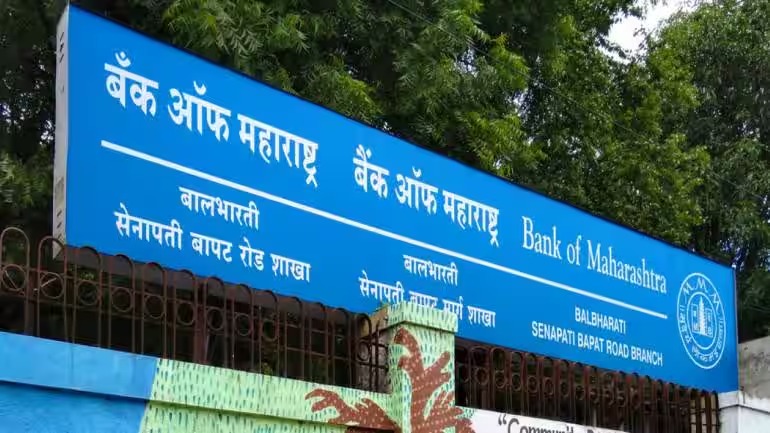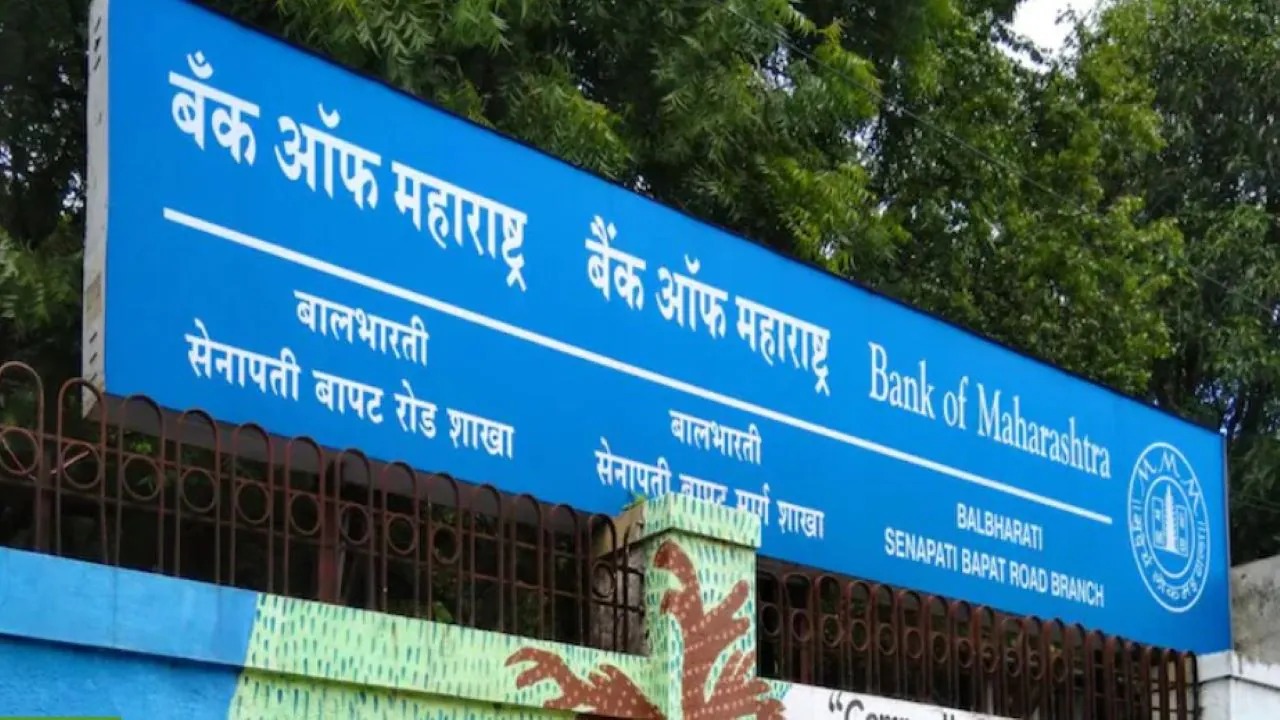



The Government of India has offered to disinvest up to 6% equity in the public sector Bank of Maharashtra. This move aims to comply with SEBI’s minimum public shareholding norms, reduce government stake to around 75%, and raise capital to support the bank's growth and capital adequacy.
The Government of India, via an official statement on X (formerly Twitter), revealed plans to disinvest up to 6% of its equity in Bank of Maharashtra. Currently, the government holds approximately 79.6% stake in the bank. The share sale is designed to reduce the government holding to about 75%, aligning with the Securities and Exchange Board of India (SEBI) requirement mandating a 25% minimum public shareholding.
This strategic disinvestment is part of a broader plan to enhance the bank's capitalization and enable it to meet regulatory capital adequacy norms under Basel guidelines. The proposed sale may be conducted through Qualified Institutional Placement (QIP) or Offer for Sale (OFS) routes.
The move has been welcomed as it not only diversifies the bank’s shareholder base but also attracts fresh investor interest, potentially improving market liquidity and valuation. The government is actively working with merchant bankers to manage the process smoothly, targeting completion before the August 1, 2026 deadline set by SEBI.
Key Highlights
-
Up to 6% government equity in Bank of Maharashtra to be disinvested.
-
Government stake to reduce from ~79.6% to around 75% post-sale.
-
Sale route likely via QIP or OFS, aimed at meeting SEBI’s 25% public shareholding norm.
-
Proceeds to bolster bank’s capital adequacy and support growth plans.
-
Merchant bankers appointed to facilitate disinvestment process, ensuring timely completion by August 2026.
Sources: Economic Times, Business Standard, Angel One, ScanX Trade, CNBC TV18