






The Government of India has launched a pilot program introducing CBDC-based digital food coupons under the Public Distribution System (PDS). Beneficiaries will receive programmable e-Rupee tokens credited directly to digital wallets, redeemable only at authorized ration shops. The initiative aims to enhance transparency, reduce leakages, and empower citizens.
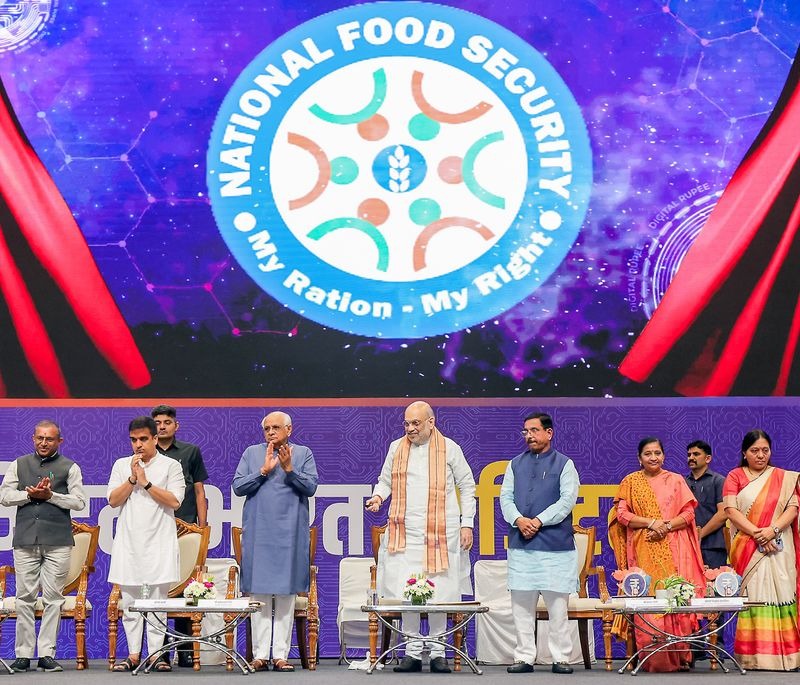
India has taken a major step toward modernizing its food security architecture by integrating Central Bank Digital Currency (CBDC) into the Public Distribution System. The pilot program, inaugurated in Gujarat by Union Home Minister Amit Shah, introduces digital food coupons powered by the Reserve Bank of India’s e-Rupee.
Beneficiaries will receive programmable digital tokens credited to their wallets, which can only be used to purchase entitled food grains at Fair Price Shops. Transactions will be authenticated through QR codes and coupon systems, ensuring secure, traceable, and real-time delivery. This eliminates repeated biometric authentication, reduces operational challenges with e-POS machines, and curbs corruption in last-mile distribution.
The pilot is being rolled out in select regions including Chandigarh, Puducherry, and districts of Gujarat, serving as a proof of concept for nationwide adoption. Experts believe this initiative could redefine welfare delivery in India, combining fintech innovation with social empowerment.
Key Highlights
-
CBDC-based digital food coupons launched under PDS
-
Programmable e-Rupee tokens credited to beneficiary wallets
-
Coupons redeemable only at authorized ration shops
-
Secure, traceable, and real-time transactions via QR codes
-
Pilot launched in Gujarat, Chandigarh, Puducherry, and select districts
-
Aimed at reducing leakages and strengthening food security
Sources: Vision IAS, InsightsIAS, FinTech BizNews [Vision IAS]