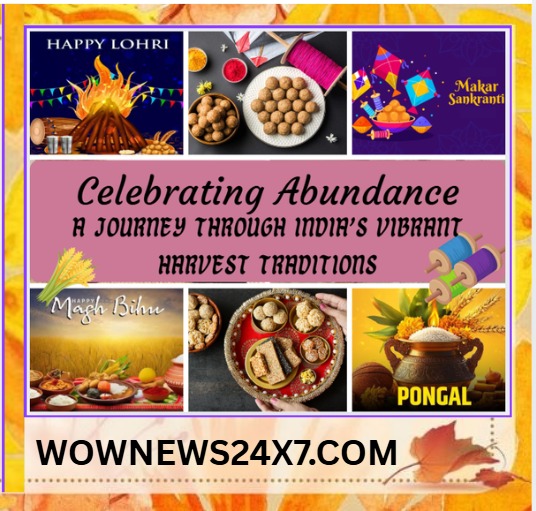
India’s January 2026 calendar is filled with harvest festivals—Lohri, Makar Sankranti, Pongal, and Magh Bihu—celebrated across regions with bonfires, feasts, and rituals. These festivals mark the end of winter and honor nature’s bounty, showcasing India’s cultural diversity.
India steps into January 2026 with a vibrant calendar of harvest festivals that reflect the country’s agricultural roots, cultural diversity, and regional traditions. From the bonfires of Lohri in Punjab to the sweet aroma of Pongal in Tamil Nadu, these festivals mark the end of winter and the arrival of longer days, offering communities across India a chance to celebrate nature’s bounty.
Key Highlights
Lohri (January 13, 2026): Celebrated in Punjab, Haryana, Himachal Pradesh, and Delhi, Lohri marks the end of winter. Families gather around bonfires, sing folk songs, and distribute traditional sweets like gajak, revri, and peanuts. The festival also honors the folk hero Dulla Bhatti, remembered for his bravery.
Makar Sankranti (January 14, 2026): A pan-Indian festival observed under different names—Uttarayan in Gujarat, Magh Bihu in Assam, and Sakraat in Bihar. It is one of the few Hindu festivals based on the solar calendar, symbolizing the sun’s northward journey. Kite flying in Gujarat, feasts in Maharashtra, and river bathing rituals in Uttar Pradesh highlight its diverse celebrations.
Pongal (January 14–17, 2026): In Tamil Nadu, Pongal is a four-day festival dedicated to the Sun God. Families prepare the traditional dish “Pongal” made of rice and jaggery, decorate homes with kolams (rangoli), and honor cattle on Mattu Pongal. The festivities emphasize gratitude for a successful harvest.
Magh Bihu (January 15, 2026): Assam celebrates Magh Bihu with community feasts, bonfires, and traditional games. Young people build makeshift huts called meji, which are burnt at dawn to signify new beginnings.
Regional Variations: While the essence of these festivals is gratitude for the harvest, each region adds its own flavor—be it sarson da saag and makki di roti in Punjab, til-gud laddoos in Maharashtra, or sweet Pongal in Tamil Nadu.
Cultural Significance
These harvest festivals are not just seasonal markers; they embody community bonding, cultural heritage, and agricultural gratitude. They highlight India’s agrarian traditions, where the rhythm of life is closely tied to the cycles of nature. The celebrations also serve as reminders of sustainability and respect for natural resources.
Where to Experience Them
Punjab & Haryana: Lohri bonfires and bhangra performances.
Tamil Nadu: Pongal feasts and cattle processions.
Gujarat: Colorful kite festivals during Uttarayan.
Assam: Magh Bihu’s community feasts and dawn bonfires.
Maharashtra & Bihar: Traditional sweets and river rituals during Makar Sankranti.
Travelers in January can witness India’s cultural mosaic firsthand, with each state offering unique traditions that blend spirituality, food, and festivity.
Outlook
With bank holidays aligned to these festivals between January 13–16, 2026, communities across India are preparing for days of joy, family gatherings, and cultural pride. These celebrations not only strengthen local traditions but also attract tourists eager to experience India’s festive spirit.
Sources: Goodreturns, Republic WorldRepublic World, Sakshi Post, Hindutonehindutone.com, CNBC TV18