
India’s harvest festivals fall mid-January, but confusion often arises over dates. In 2026, Lohri will be celebrated on January 13, while Makar Sankranti and Pongal will be observed on January 14. These festivals mark the Sun’s transition into Capricorn, symbolizing the end of winter and the start of longer days.
India’s diverse cultural calendar brings together several harvest festivals in January, celebrated under different names across regions. While Lohri, Makar Sankranti, and Pongal share the same essence of thanksgiving to nature and marking the harvest season, their dates vary slightly depending on regional traditions and astronomical calculations.
Key highlights from the announcement include
-
Lohri will be celebrated on January 13, 2026, primarily in Punjab, Haryana, Himachal Pradesh, and Jammu. The festival is marked by bonfires, folk songs, and traditional foods like til-gud sweets, peanuts, and sarson da saag.
-
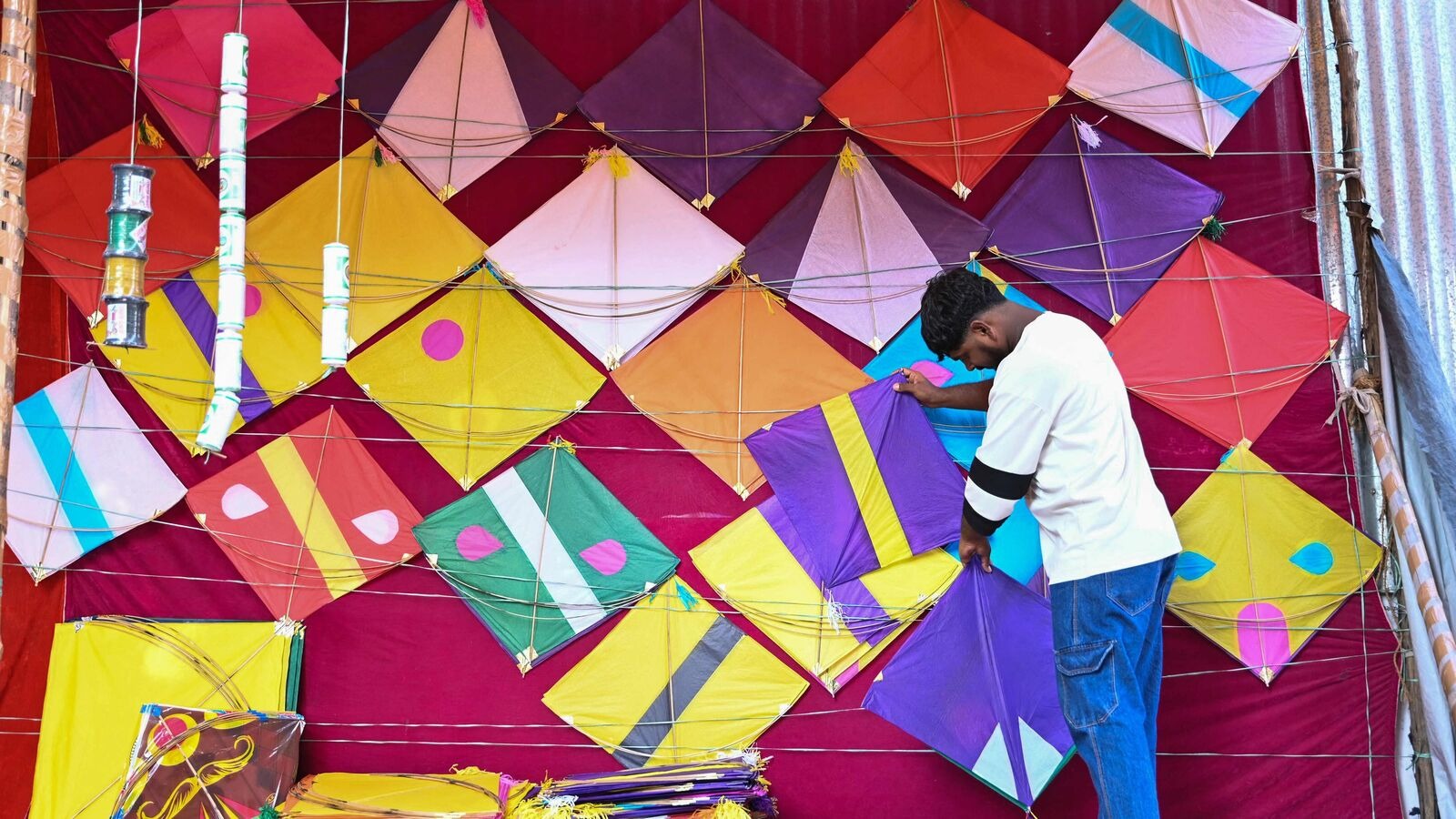
Makar Sankranti falls on January 14, 2026, across most of India. It marks the Sun’s transition into Capricorn (Makara Rashi) and the beginning of Uttarayan, the northward journey of the Sun. Rituals include holy baths, charity, kite flying, and festive foods.
-
Pongal, celebrated in Tamil Nadu, also begins on January 14, 2026. The four-day festival starts with Bhogi, followed by Thai Pongal, Mattu Pongal, and Kaanum Pongal. It is centered around cooking the traditional dish ‘Pongal’ as an offering to the Sun God.
-
Magh Bihu in Assam and Uttarayan in Gujarat are also observed on January 14, aligning with Makar Sankranti.
-
The confusion arises because Lohri is celebrated on the eve of Makar Sankranti, i.e., January 13, while Sankranti itself is on January 14. Pongal follows the Tamil solar calendar, which also places the festival on January 14.
-
Astrologically, Makar Sankranti is one of the few Hindu festivals based on the solar cycle, which is why it consistently falls on January 14 each year, unlike lunar-based festivals that shift dates.
Together, these festivals symbolize gratitude for the harvest, the end of winter, and the arrival of longer, brighter days. While celebrated differently across regions, they share a common spirit of community, joy, and thanksgiving to nature.
Sources: India Today, Economic Times, Goodreturns, Moneycontrol, Mint