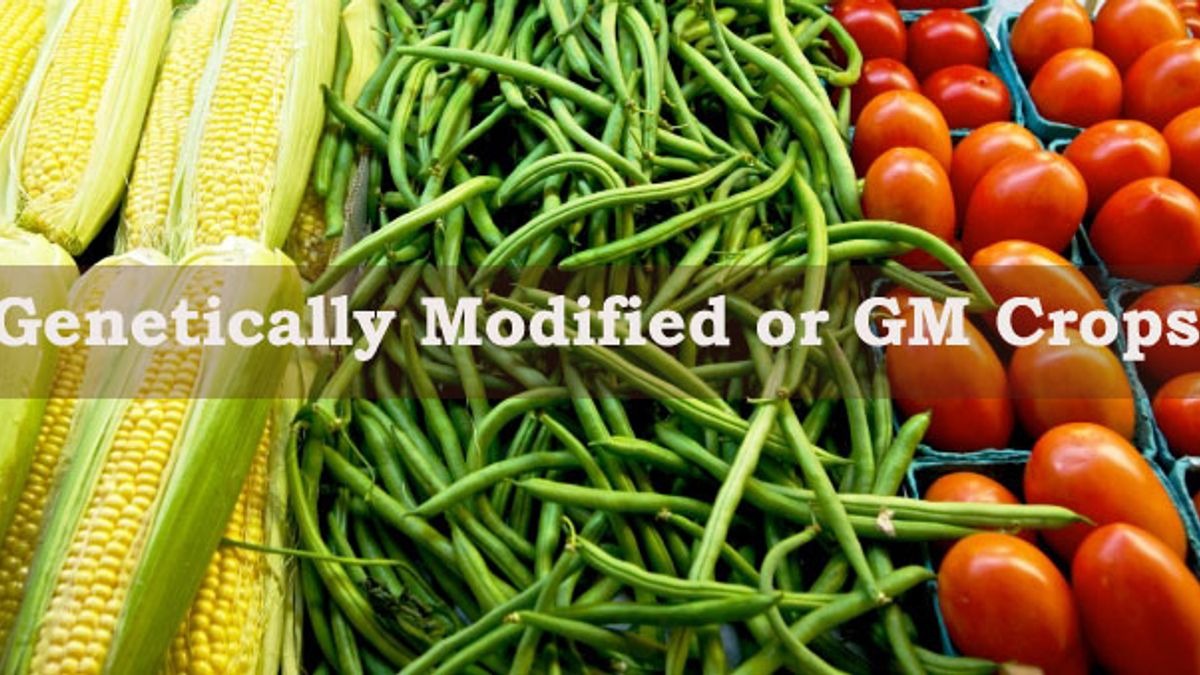

Genetically Modified (GM) crops, engineered for traits like pest resistance and higher yields, have become a contentious issue in the India–US trade deal. While the US seeks greater access for its farm exports, India remains cautious, citing food safety, farmer livelihoods, and environmental risks.
What Are GM Crops
GM crops are plants whose DNA has been altered using biotechnology to introduce specific traits such as drought tolerance, pest resistance, or improved nutritional value. Common GM crops in the US include soybeans, corn, and cotton, which dominate its agricultural exports.
Why They Are A Point Of Concern
India has historically restricted GM food imports and approved only limited GM cultivation, such as Bt cotton. The new trade framework allows reduced-duty access to certain US farm products like dried distillers’ grains (DDGS), soybean oil, and sorghum, sparking fears of indirect GM crop entry. Farmer groups worry this could undercut domestic producers and weaken India’s cautious regulatory stance.
Government’s Position
Commerce Minister Piyush Goyal clarified that GM crops and dairy remain outside the trade pact, and imports like DDGS lose GM characteristics during processing. However, farmer unions and civil society organizations remain skeptical about long-term implications.
Key Highlights
-
GM crops are genetically engineered plants with altered DNA
-
US exports like soybeans and corn are GM-dominated
-
India fears risks to food safety, environment, and farmer livelihoods
-
Trade deal allows limited US farm imports under reduced duty
-
Government insists GM food remains excluded from the pact
Conclusion
GM crops represent both opportunity and risk in global trade. For India, the challenge lies in balancing consumer safety and farmer protection while engaging with a US agricultural system heavily reliant on GM technology.
Sources: Business Standard, Economic Times, NDTV Profit