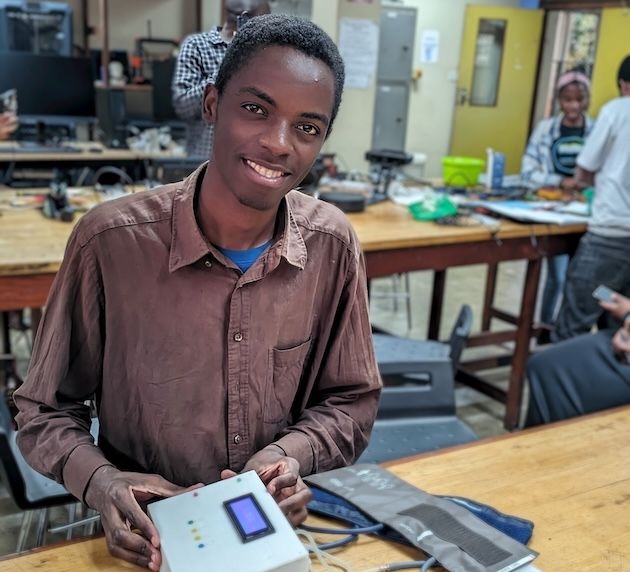








In Malawi’s Mzimba district, student-led healthcare innovations are transforming rural medical access. Biomedical engineering student Ranken Chisambi has developed low-cost, lifesaving devices to address gaps in rural clinics. Supported by social innovation networks, these efforts highlight how youth-driven creativity can bridge healthcare inequalities and strengthen community resilience across underserved regions.
In the hills of Chamhanya Gondwe village, Malawi, a quiet revolution in healthcare is underway. Spearheaded by Ranken Chisambi, a 22-year-old biomedical engineering student, innovative solutions are reshaping how rural communities access medical care. His inventions—affordable, easy-to-use devices—are designed to tackle challenges faced by clinics with limited resources, from diagnostic shortages to emergency response gaps.
This initiative is part of a broader movement supported by Social Innovation in Health (SIHI) Malawi and the University of Malawi, which encourage students to apply engineering and entrepreneurial skills to real-world health problems. By combining local knowledge with technical expertise, these innovations are not only saving lives but also empowering communities to take ownership of their healthcare systems.
Major Takeaways
Student-Led Solutions: Chisambi’s devices are tailored for rural clinics, focusing on affordability and usability.
Community Impact: Innovations directly address gaps in medical access, from diagnostics to emergency care.
Social Innovation Networks: SIHI Malawi fosters collaboration between students, universities, and local health workers.
Scalable Potential: These models could be replicated across other underserved regions in Africa.
Youth Empowerment: Demonstrates how young innovators can drive systemic change in healthcare delivery.
Notable Updates
Malawi’s government is prioritizing digital health integration and rural access as part of its 2025 healthcare strategy.
Student-led projects are being recognized as vital complements to national efforts toward Universal Health Coverage by 2030.
Partnerships with NGOs and universities are expanding the reach of these innovations, ensuring sustainability.
The story underscores the importance of grassroots creativity in solving global health challenges.
Conclusion: Malawi’s student-led healthcare innovations prove that creativity and community-driven solutions can transform medical access in rural areas. By bridging gaps with affordable technology and empowering local clinics, these initiatives highlight the power of youth leadership in shaping a healthier, more equitable future.
Sources: Global Issues – IPS Report, CNBC Africa, SIHI Malawi