
The European Centre for Disease Prevention and Control (ECDC) has assessed the risk of Nipah virus infection for Europeans traveling to or residing in West Bengal, India, as very low. With only two confirmed cases among healthcare workers and no evidence of community transmission, containment measures remain effective and reassuring.
Current Situation
Two confirmed cases of Nipah virus disease have been reported in West Bengal, India, since December 2025. Both patients are healthcare workers from the same hospital, who had contact during their duties. The European Centre for Disease Prevention and Control (ECDC) has clarified that the risk of infection for Europeans traveling to or residing in the region is very low.
Key Highlights
-
The limited number of cases suggests no evidence of community transmission at this stage
-
The most likely route for Nipah virus introduction into Europe would be through infected travelers, but the probability remains minimal
-
Indian authorities, in coordination with the central government, have traced and monitored nearly 200 contacts linked to the confirmed cases, all of whom tested negative
-
The World Health Organization (WHO) has also assessed the risk of further spread as low, citing India’s proven capacity to contain outbreaks
-
Surveillance has been stepped up at airports and border crossings in Asia, though the virus is not considered highly transmissible compared to airborne diseases like Covid-19
Public Health Response
Authorities have implemented comprehensive containment measures, including contact tracing, quarantine protocols, and hospital-level infection control. The Union Health Ministry and National Centre for Disease Control (NCDC) have confirmed that all identified contacts remain asymptomatic.
Global Perspective
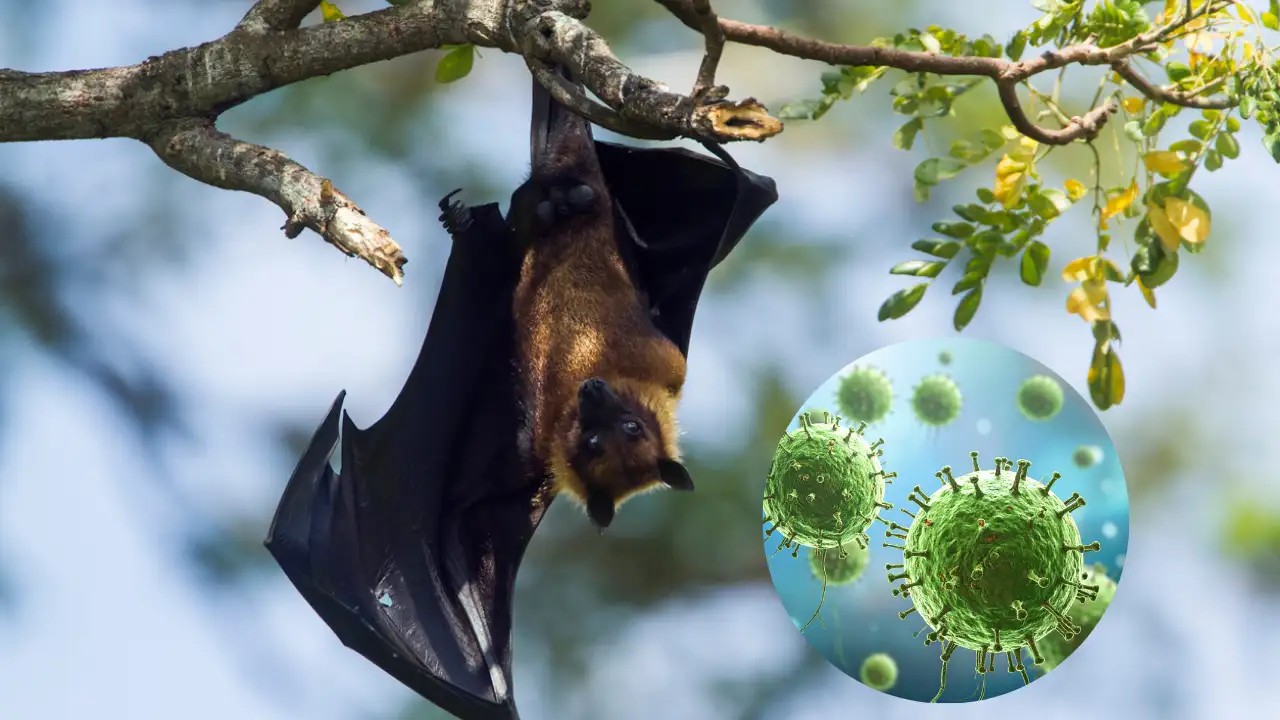
Nipah virus, known for its high fatality rate of 40–75 percent, is primarily transmitted through fruit bats, contaminated food, or close human-to-human contact. Despite its severity, the current outbreak in West Bengal is localized and under control. For European travelers, the ECDC’s reassurance underscores that vigilance is sufficient without alarm.
Sources: ECDC, WHO, Union Health Ministry of India, National Centre for Disease Control (NCDC), BusinessLine, The Hindu, Euronews.