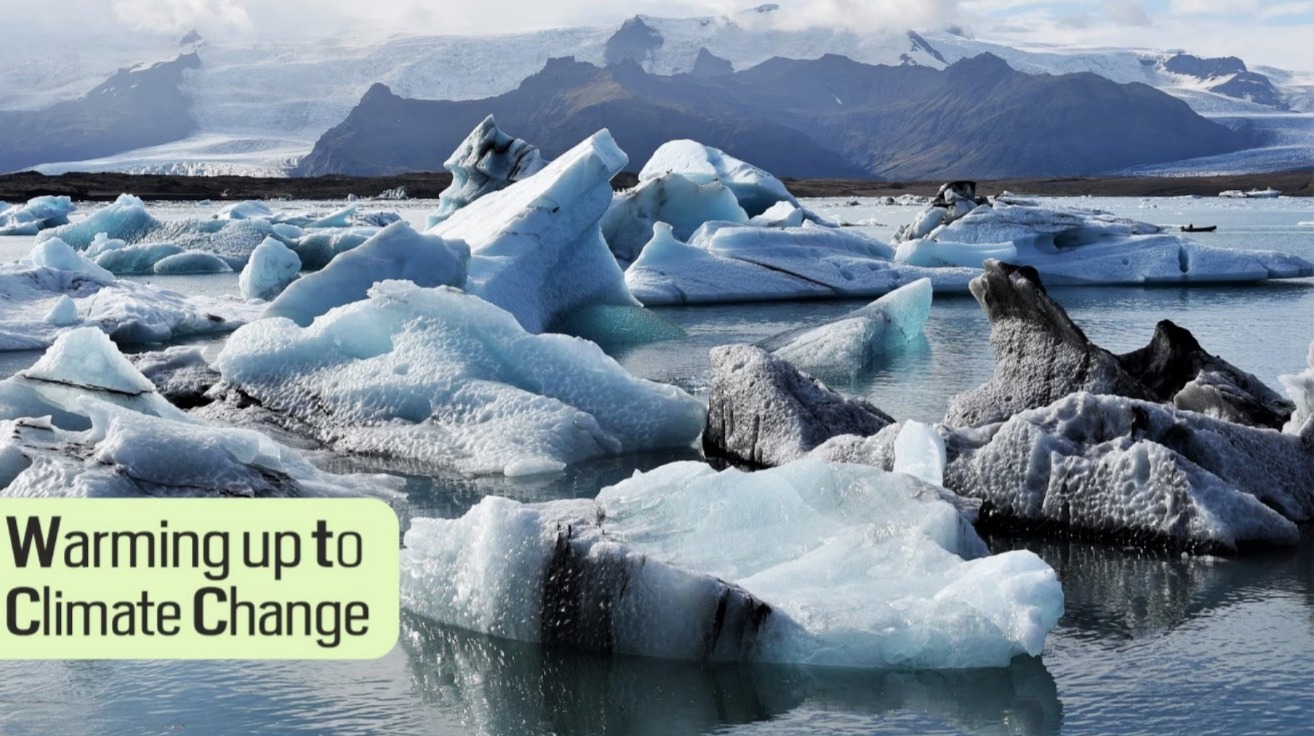





Global warming is rapidly destabilizing ice-dependent ecosystems, threatening biodiversity and altering climate systems worldwide. Scientists warn that glaciers are melting at alarming rates, Arctic habitats are shrinking, and species adapted to cold environments face extinction risks. The cascading effects extend to human livelihoods and global weather patterns.
Rising temperatures are reshaping fragile ice ecosystems across the Arctic, Antarctic, and mountainous regions. The decline of glaciers and sea ice is not only a biodiversity crisis but also a major driver of climate instability, affecting communities far beyond polar zones.
Glacier Loss And Rising Seas
Glaciers outside Greenland and Antarctica are losing hundreds of billions of tonnes of ice annually. This contributes directly to rising sea levels, threatening coastal cities and agricultural lands worldwide.
Arctic Ecosystem Transformation
The Arctic is undergoing “borealization,” where temperate species move northward as ice retreats. Native species such as polar bears, seals, and seabirds are losing habitats, pushing them closer to extinction.
Impact On Biodiversity And Climate
Melting ice alters ocean circulation, reduces biodiversity, and intensifies extreme weather events. Communities dependent on glaciers for freshwater and farming face growing challenges as resources diminish.
Key Highlights
-
Glaciers melting at unprecedented rates
-
Sea level rise threatens coastal regions
-
Arctic ecosystems undergoing borealization
-
Native cold-adapted species at risk
-
Ice loss disrupts biodiversity and global climate systems
Sources: Hindustan Times, Future Earth Climate Insights, NAMMCO