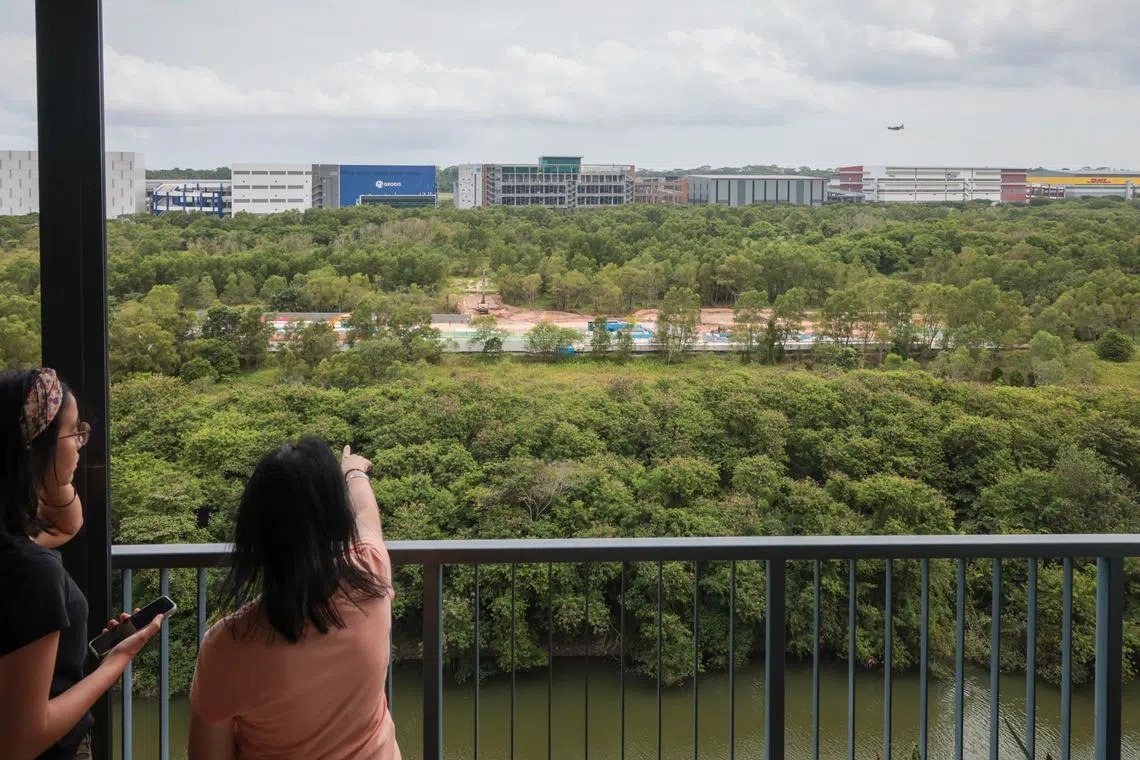








With rising awareness of biodiversity and climate resilience, Singapore is exploring new approaches to developing green spaces. The focus is shifting from manicured parks to more natural ecosystems, aiming to balance urban development with sustainability and community well-being.
Singapore has long been recognized for its urban greenery, but growing environmental awareness is prompting a rethink of how green spaces are designed and managed. Experts suggest that instead of prioritizing ornamental landscaping, the city-state should invest in natural ecosystems that support biodiversity, improve climate resilience, and enhance public health.
This shift could involve creating more wild habitats, integrating native plant species, and designing parks that function as ecological corridors. Such spaces not only provide recreational value but also help mitigate urban heat, manage stormwater, and support wildlife.
Community engagement is also central to this vision. By involving residents in conservation and stewardship, Singapore can foster a deeper connection between people and nature. The move aligns with global trends where cities are embracing nature-based solutions to address climate challenges while improving quality of life.
Key Highlights
-
Singapore explores new approaches to green space development
-
Shift from ornamental landscaping to natural ecosystems
-
Focus on biodiversity, climate resilience, and sustainability
-
Integration of native species and ecological corridors
-
Community engagement central to conservation efforts
Sources: The Straits Times, Channel NewsAsia, Today Online