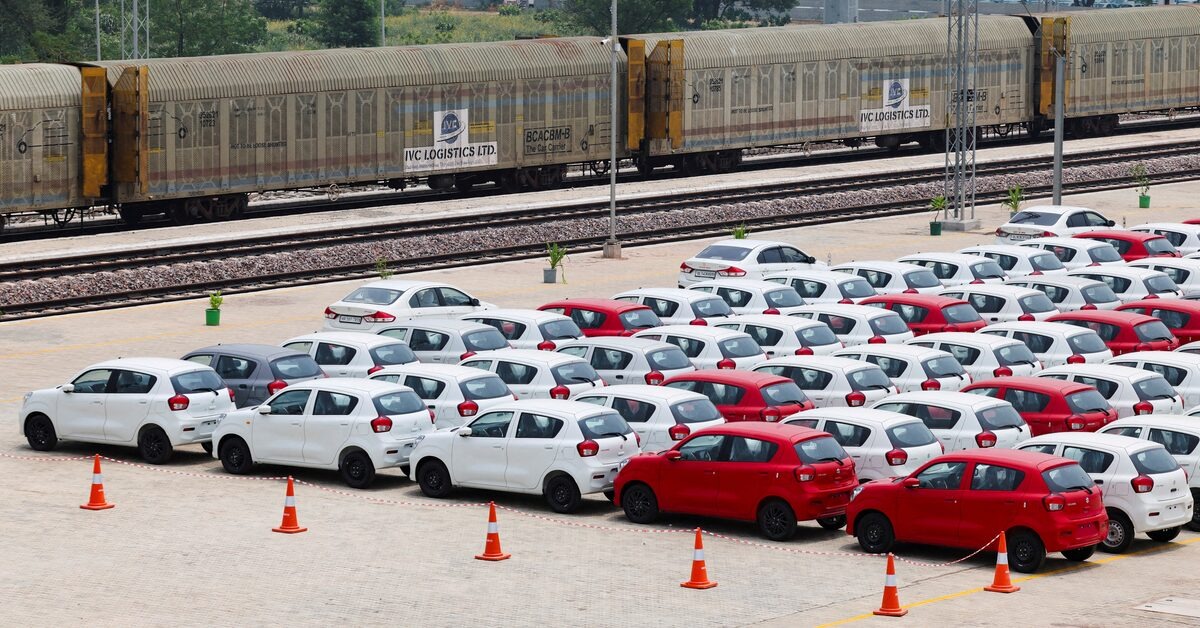

India has proposed stricter fuel efficiency norms, removing concessions for cars weighing 909 kg or less. Carmakers with heavier fleets will now need stronger efficiency improvements. The move aims to accelerate adoption of electric and hybrid vehicles, signaling a decisive policy shift toward sustainable mobility and reduced carbon emissions.
India is tightening its automotive emission regulations, eliminating weight-based concessions that previously favored lighter vehicles. Under the latest proposal, cars weighing 909 kg or less will no longer enjoy relaxed fuel emission standards. This change compels automakers, especially those with heavier fleets, to achieve greater efficiency improvements to comply with new norms.
The government’s decision reflects its strategic push to encourage sales of electric and hybrid models, aligning with national climate goals and global sustainability commitments. Industry experts believe the move will reshape product portfolios, forcing manufacturers to accelerate innovation in clean mobility solutions.
Key Highlights:
-
Policy Shift: India drops fuel emission concessions for cars ≤909 kg.
-
Efficiency Mandate: Heavier fleets must achieve stronger efficiency improvements.
-
EV Push: Rules designed to boost electric and hybrid vehicle adoption.
-
Market Impact: Automakers expected to re-strategize product lines.
-
Sustainability Goal: Supports India’s long-term climate and clean energy targets.
This regulatory tightening underscores India’s commitment to reducing vehicular emissions while fostering a transition toward greener mobility solutions.
Sources: Reuters, Economic Times, Mint, Business Standard