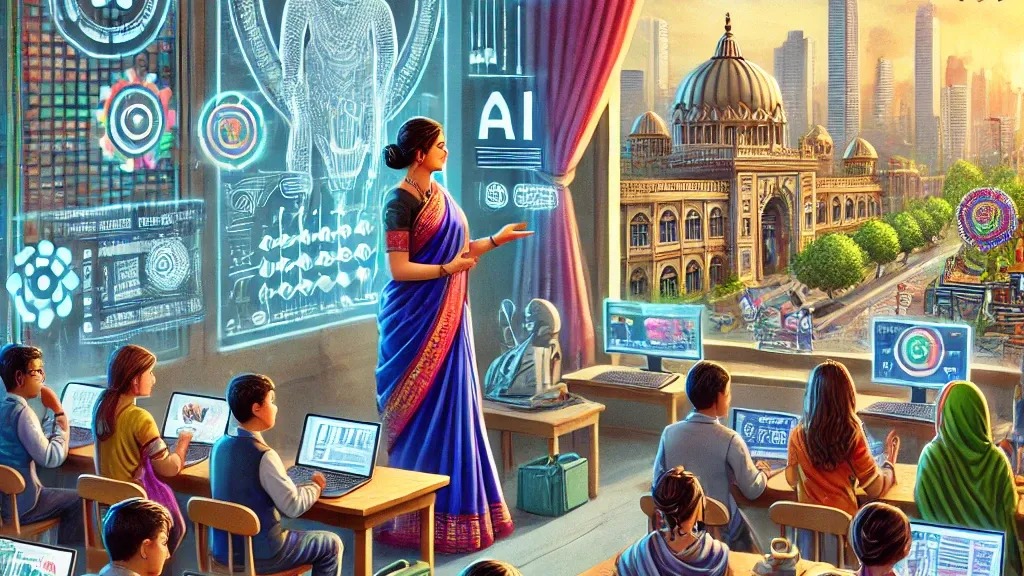

The Government of India has announced plans to expand artificial intelligence training to 500 universities under AI Mission 2.0. The initiative, led by the Ministry of Electronics and Information Technology, aims to build a robust talent pipeline, provide AI tools and infrastructure, and strengthen India’s digital future.
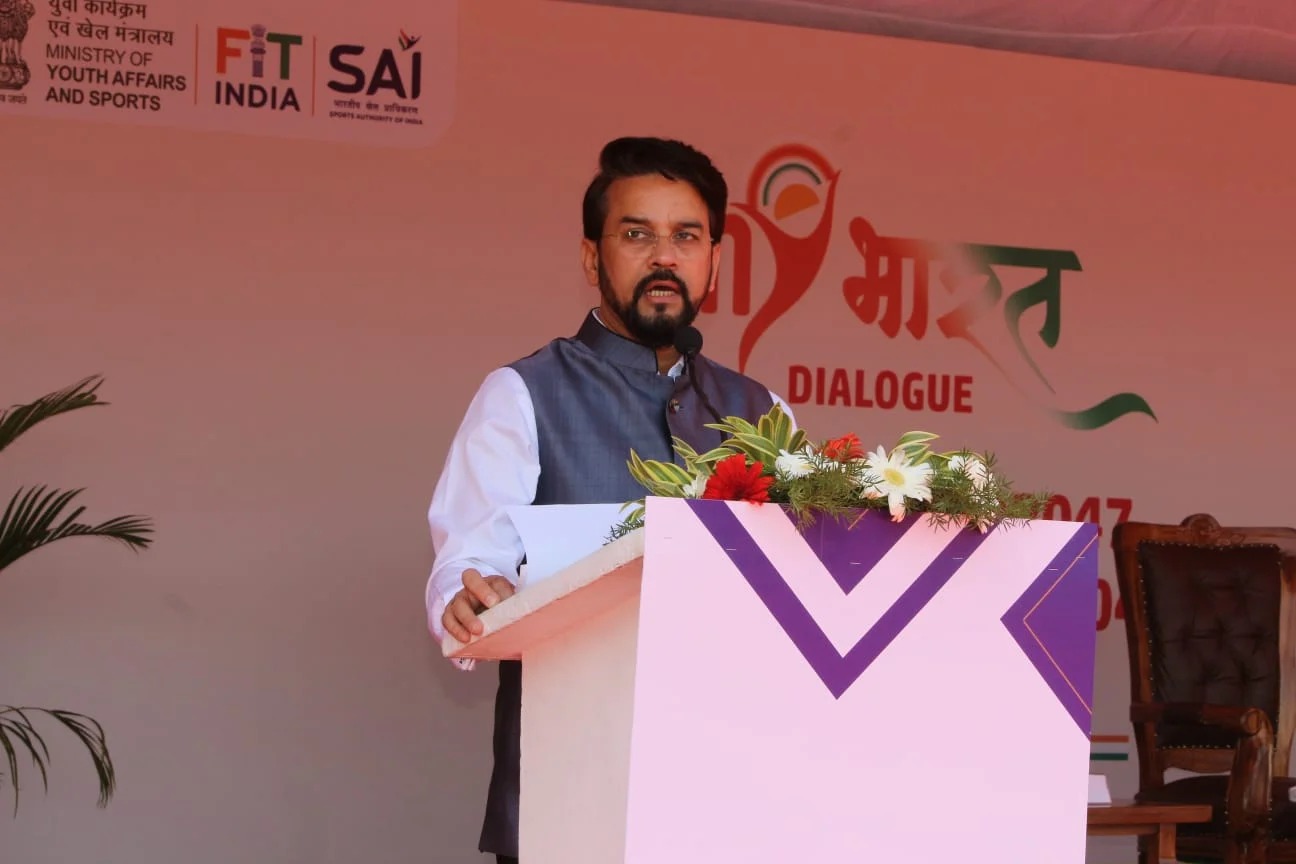
India is set to take a major leap in artificial intelligence education with the launch of AI Mission 2.0, which will expand AI training programs to 500 universities across the country. The announcement was made by Union Minister Ashwini Vaishnaw during the India AI Impact Summit 2026. The initiative is designed to equip students with advanced AI skills, ensuring that India remains competitive in the global digital economy.
The program will follow a model similar to the semiconductor skilling initiative, where students at over 300 universities are already engaged in chip design. Under AI Mission 2.0, universities will be provided with GPUs, indigenous datasets, and AI tools to facilitate hands-on training and research. The government is also working on finalizing a specialized curriculum that aligns with industry needs, ensuring that graduates are job-ready and capable of contributing to India’s AI ecosystem.
Key highlights from the announcement include
-
AI Mission 2.0 to expand training to 500 universities nationwide.
-
Program modeled on semiconductor skilling initiative already active in 315 universities.
-
Students to receive access to GPUs, indigenous datasets, and AI tools.
-
Curriculum being finalized to meet industry requirements and global standards.
-
Union Minister Ashwini Vaishnaw announced the initiative at the India AI Impact Summit 2026.
-
Government expects to launch the mission formally within the next five to six months.
Industry experts believe this expansion will significantly boost India’s AI talent pool, enabling the country to become a hub for innovation and digital transformation. By integrating AI education into mainstream universities, the initiative is expected to bridge the skill gap, foster research, and support India’s ambition to lead in emerging technologies.
Sources: Economic Times, ANI, Business Standard