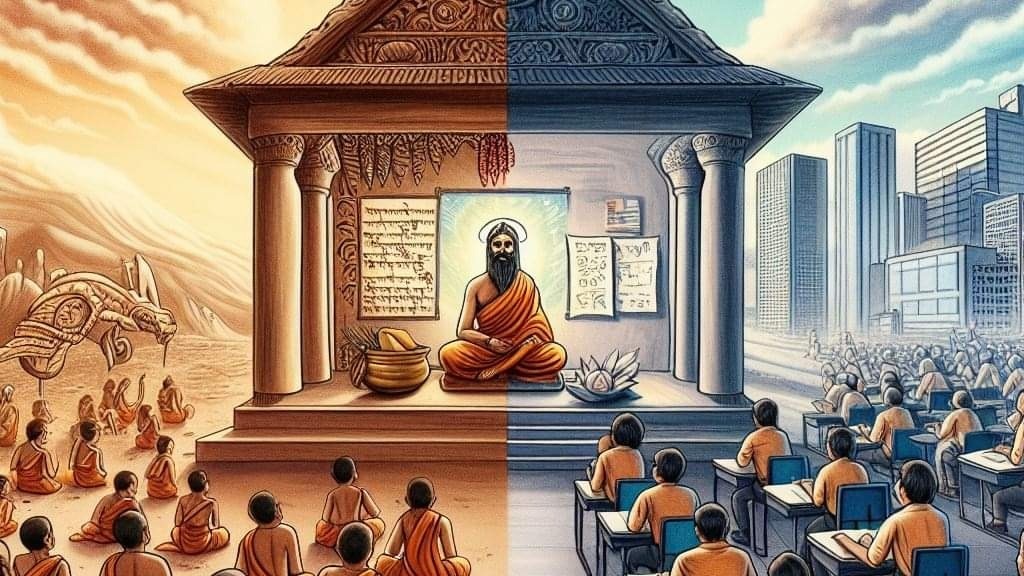

Experts emphasize integrating Indian culture into modern education to nurture ethical, resilient, and mindful citizens. By embedding values through stories, rituals, art, and reflection, schools can balance innovation with timeless wisdom. This approach prepares Gen Z and Gen Alpha for meaningful lives beyond academic success and career achievements.
In a rapidly changing world defined by climate uncertainty, AI disruption, and social fragmentation, education in India is being reimagined to go beyond academic achievement. Experts argue that integrating Indian culture into modern curricula can help nurture ethical, mindful, and empathetic citizens. This cultural infusion is not about rejecting modernity but anchoring innovation in timeless wisdom, ensuring that students are prepared for conscious and purposeful lives.
Key highlights from the announcement include
-
Indian culture offers a living curriculum that embeds values through stories, rituals, art, and reflection.
-
The integration of cultural practices into schooling fosters mindfulness, resilience, and moral clarity among students.
-
Education must extend beyond technical skills to cultivate empathy, ethical judgment, and emotional intelligence.
-
For Gen Z and Gen Alpha, long-term success will depend on balancing academic mastery with character development.
-
Cultural practices, when thoughtfully integrated, move from symbolism to relevance, shaping students’ worldview.
-
Experts highlight that this approach prepares students not just for careers but for meaningful contributions to society.
-
The National Education Policy (NEP) 2020 has already emphasized the role of Indian Knowledge Systems in holistic learning.
-
This integration aligns with global calls for education systems to address inequities, climate challenges, and social upheavals.
-
Mindfulness and ethical grounding are seen as essential to counter rising stress and fragmentation among youth.
-
The initiative reflects India’s vision of combining tradition with modernity to create future-ready citizens.
The push to integrate Indian culture into modern education underscores the importance of holistic learning. By embedding values alongside technical knowledge, schools can help students develop resilience, empathy, and ethical clarity. This balanced approach ensures that education is not limited to producing skilled workers but mindful individuals capable of navigating complex global challenges.
As India continues to evolve, the blending of cultural wisdom with modern innovation is expected to shape a generation of citizens who are not only academically competent but also emotionally grounded and socially responsible.
Sources: The Hans India, WebIndia123