









Follow WOWNEWS 24x7 on:


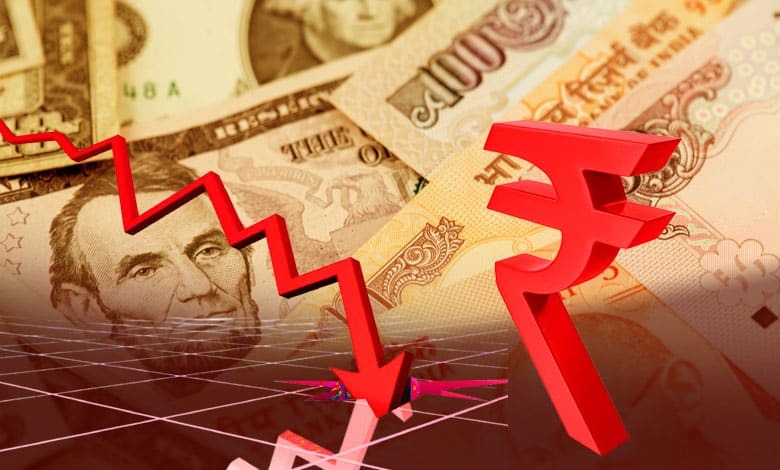
The Indian rupee opened at a record low of 92.0275 per U.S. dollar on March 4, slipping 0.6% from its previous close of 91.47. Escalating Middle East tensions have heightened economic risks, weakening investor sentiment and fueling volatility across currency markets, with crude oil and global equities under pressure.
Show moreStay Ahead – Explore Now! BillDesk to Acquire Worldline’s India Business in $70 Million Transaction



Updated: March 03, 2026 19:07

Updated: March 02, 2026 20:39

Updated: March 01, 2026 20:47











Follow WOWNEWS 24x7 on:





Copyright 2024 WOWNEWS 24x7. All rights reserved. The WOWNEWS 24x7 is not responsible for the content of external sites. Read about our approach to external linking.
Powered By Just Imagine
