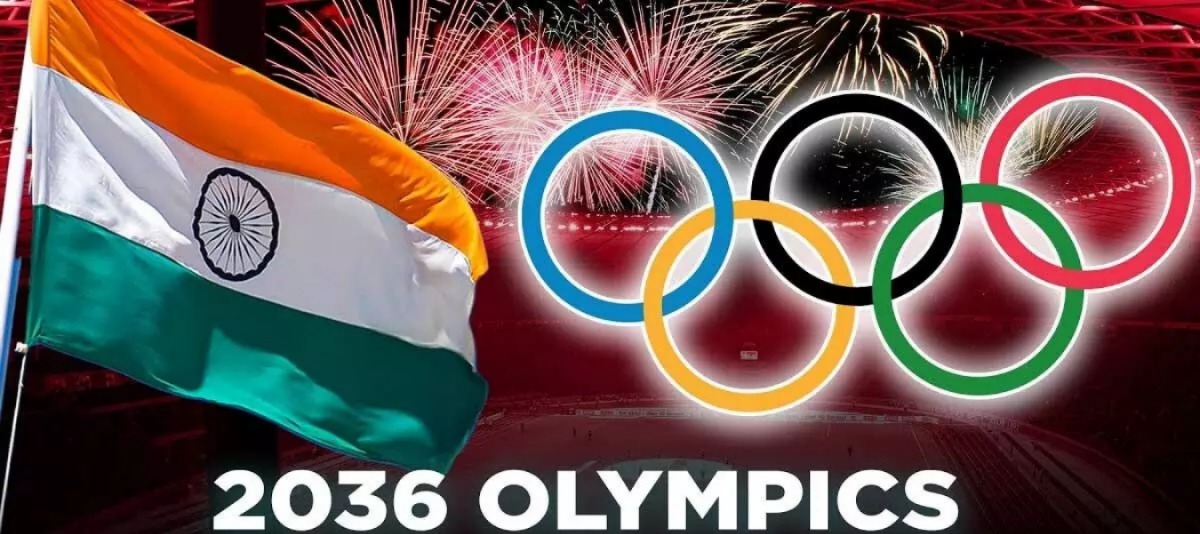



As India eyes hosting the 2036 Olympics, questions around sports governance, infrastructure, and accountability remain pressing. Despite increased funding and initiatives like Khelo India and TOPS, structural gaps, administrative inertia, and anti-doping concerns threaten to undermine ambitions. The bid highlights both India’s aspirations and unfinished business in sports governance.
India’s pitch to host the 2036 Olympic Games has reignited discussions on the state of sports governance in the country. While the government has significantly boosted funding and rolled out initiatives such as Khelo India, Target Olympic Podium Scheme (TOPS), and Fit India Movement, experts warn that systemic challenges could hinder progress.
The Indian Olympic Association (IOA) has already entered into a “continuous dialogue” phase with the International Olympic Committee (IOC), signaling intent to bring the Games to India. However, past experiences, including lapses during the 2010 Commonwealth Games, serve as reminders of the need for transparency, accountability, and structural reforms.
Key Highlights
-
India formally expressed intent to host the 2036 Olympics through IOA
-
IOC has placed India’s bid in the continuous dialogue phase
-
Government initiatives like Khelo India and TOPS aim to strengthen athlete development
-
Concerns remain over governance gaps, anti-doping measures, and administrative inertia
-
Past lapses in mega-events highlight risks of corruption and unfinished infrastructure
Future Outlook
India’s Olympic ambition is both a symbol of national pride and a test of governance capacity. To realize the 2036 dream, reforms in administration, infrastructure, and athlete support will be crucial. The journey ahead demands not just financial investment but also institutional accountability and long-term vision.
Sources: Times Now, Press Information Bureau, NEXT IAS