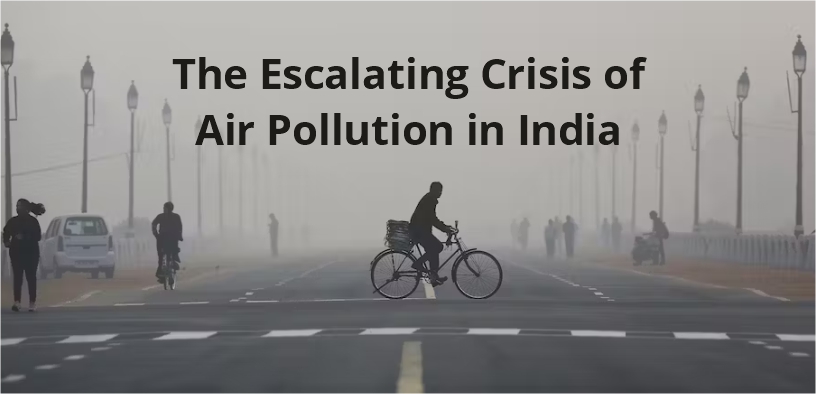





India’s worsening air pollution crisis is complicated by inconsistent and selective data reporting. While officials highlight “good air quality days,” experts stress that severe smog episodes and AQI readings above 450 are being overlooked. This lack of transparency risks undermining public trust and delaying meaningful policy interventions to protect health.
India’s air quality has become a pressing public health challenge, yet the scale of the crisis is often obscured by patchy and unreliable data reporting. Government officials have pointed to improvements, citing hundreds of “good air quality days,” but experts argue these figures fail to capture the severity of winter smog and hazardous AQI levels.
The debate intensified after Delhi’s AQI crossed 450 in recent weeks, placing it firmly in the “severe” category. While policymakers emphasize progress, critics highlight that selective narratives and the absence of transparent, comprehensive data make it difficult to assess the true impact of pollution on health and the environment.
Key Highlights
-
Data gaps: Official reports emphasize “good air days” but overlook prolonged hazardous episodes.
-
Public concern: Citizens and experts question the reliability of AQI reporting.
-
Health implications: AQI above 400 is linked to respiratory distress and long-term health risks.
-
Policy challenge: Government maintains no direct data links pollution to deaths, despite global evidence.
-
Need for transparency: Accurate, consistent data is essential for effective policy and public trust.
India’s air quality crisis requires not only stronger interventions but also credible and transparent data systems to guide solutions.
Sources: US News, The Quint, The Week, Yahoo News, Arab Times Online