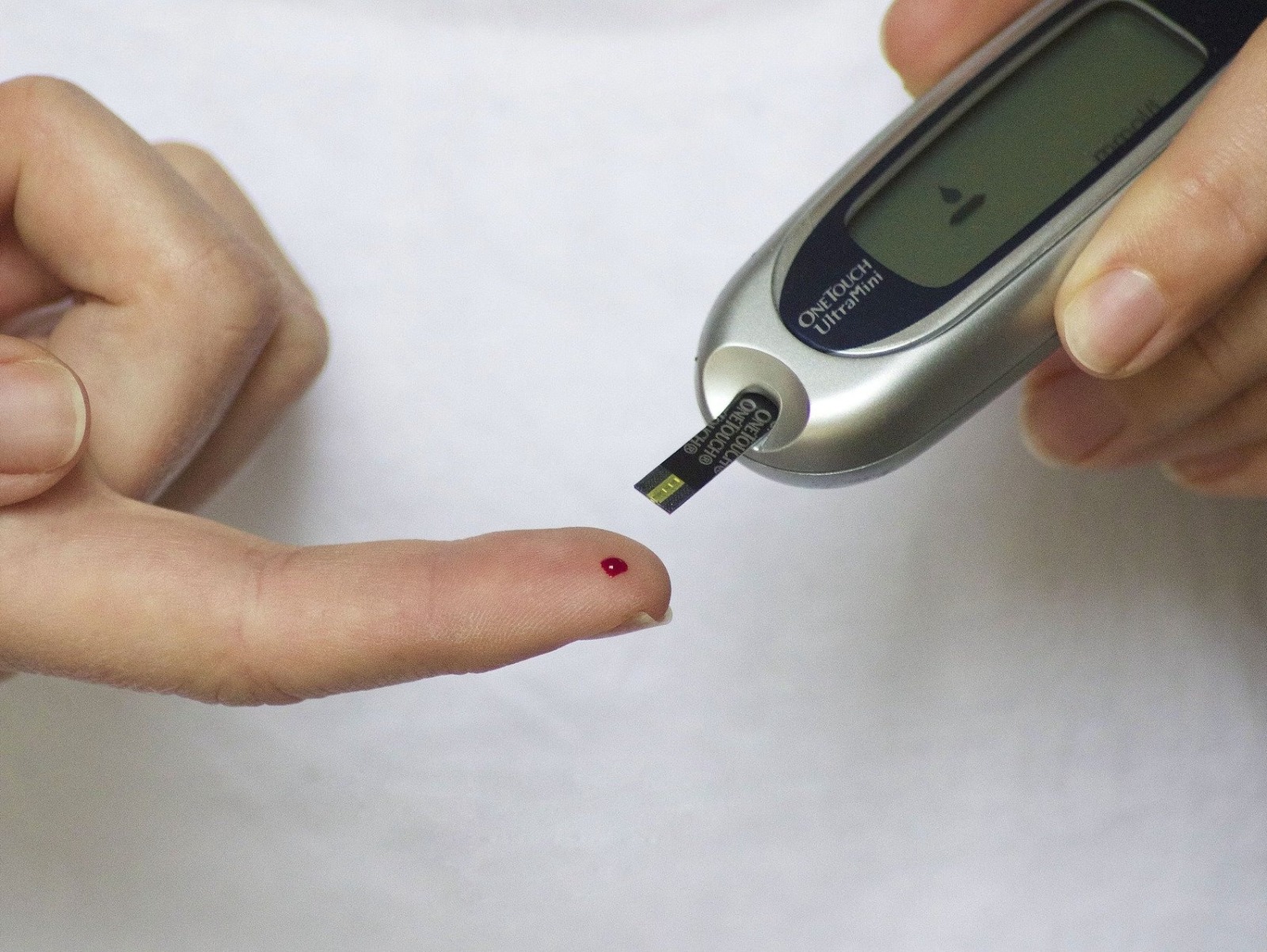

A new Lancet Regional Health–Southeast Asia study warns that India’s widely trusted HbA1c test may misdiagnose or delay diabetes due to high prevalence of anaemia, haemoglobinopathies, and blood disorders. Experts recommend combining HbA1c with fasting glucose or oral glucose tolerance tests to ensure accurate diagnosis and monitoring for millions of Indians.
For decades, the HbA1c test-which measures glycated haemoglobin levels-has been considered the gold standard for diagnosing and monitoring diabetes in India. However, new research published in The Lancet Regional Health–Southeast Asia has raised serious concerns about its accuracy for a large section of the Indian population.
Why HbA1c May Mislead
The study highlights that HbA1c results can be skewed by anaemia, haemoglobin disorders, and enzyme deficiencies-conditions highly prevalent in India. Since HbA1c reflects average blood sugar levels over three months, any factor affecting red blood cells can distort the reading. This means millions of Indians may be misdiagnosed, underdiagnosed, or diagnosed late, sometimes by as much as four years.
Key Highlights
Anaemia Impact: India has one of the world’s highest rates of anaemia, especially among women, which alters HbA1c readings.
Delayed Diagnosis: Men with undetected blood disorders could face diabetes diagnosis delays of up to four years.
Misclassification Risk: Reliance on HbA1c alone may misclassify patients, leading to inappropriate treatment or missed interventions.
Alternative Testing: Experts recommend combining HbA1c with fasting plasma glucose (FPG) or oral glucose tolerance tests (OGTT) for accuracy.
Policy Implications: The findings call for urgent updates in India’s diabetes screening guidelines to prevent misdiagnosis.
Why This Matters for India
India is home to over 100 million people living with diabetes, with millions more at risk. Early detection is critical to prevent complications such as kidney disease, vision loss, and cardiovascular problems. If HbA1c alone is used, many patients may slip through the cracks, worsening India’s already heavy diabetes burden.
Expert Recommendations
Doctors and researchers now urge a multi-test approach. While HbA1c remains useful for long-term monitoring, it should not be the sole diagnostic tool. Combining it with FPG or OGTT ensures that patients with anaemia or blood disorders are not overlooked. Public health campaigns must also raise awareness about the limitations of HbA1c, especially in rural and underserved areas.
The Road Ahead
This revelation is a wake-up call for India’s healthcare system. Updating diagnostic protocols, training clinicians, and expanding access to multiple testing methods will be crucial. As India battles rising diabetes rates, accurate diagnosis is the first step toward effective management.
The study underscores a vital truth: no single test can capture the complexity of India’s diverse population. A more nuanced, multi-layered approach is needed to safeguard millions from delayed or missed diagnoses.
Sources: Business Standard, The New Indian Express, The Lancet Regional Health–Southeast Asia