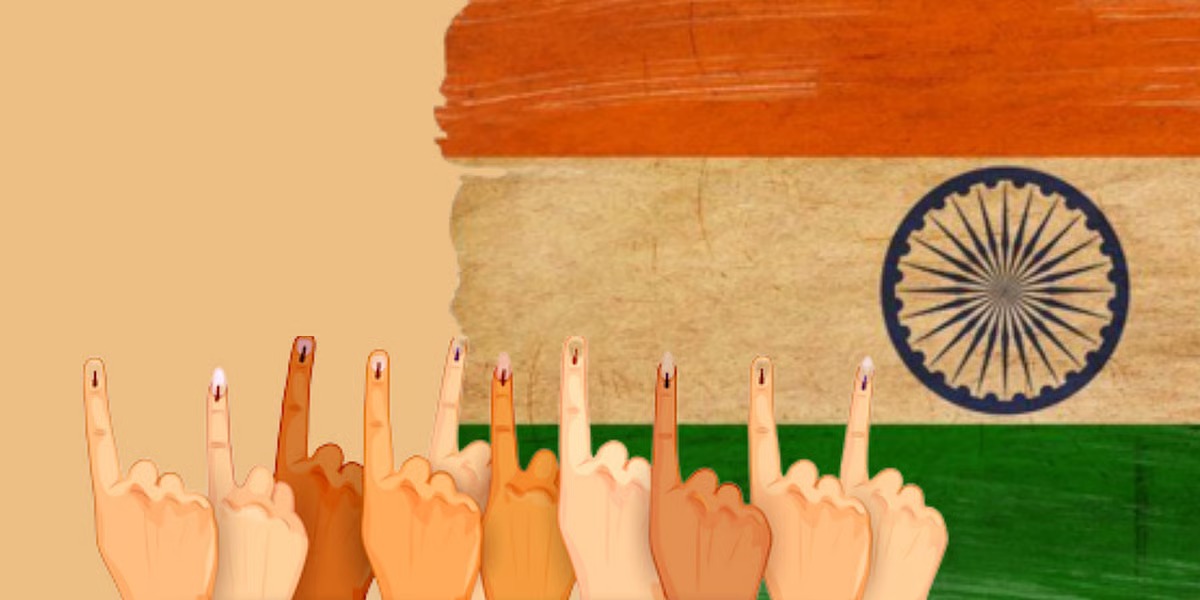






The Election Commission of India is examining the feasibility of simultaneous state elections, aligning them with Lok Sabha polls under the “One Nation, One Election” proposal. While the idea promises efficiency and reduced costs, challenges such as constitutional amendments, logistical readiness, and federal concerns remain central to the debate.
The Election Commission is actively weighing the possibility of conducting simultaneous elections across states, a move that could reshape India’s electoral landscape. The proposal, backed by the Union Cabinet and a high-level committee led by former President Ram Nath Kovind, seeks to synchronize Lok Sabha and state assembly polls for greater efficiency.
However, the plan faces significant hurdles. Constitutional changes would be required to align assembly terms, while logistical challenges such as deploying adequate EVMs and VVPATs remain pressing. Critics also highlight concerns over federalism, arguing that simultaneous polls may dilute state-specific issues in favor of national narratives.
Key Highlights:
-
Proposal: Align Lok Sabha and state assembly elections under “One Nation, One Election.”
-
Efficiency Gains: Reduced costs, fewer disruptions to governance, and streamlined policy implementation.
-
Challenges: Constitutional amendments, logistical readiness, and federal concerns.
-
Phased Implementation: First phase to align Lok Sabha and assembly polls; second phase to include local body elections within 100 days.
-
Debate: Supporters cite governance stability, while critics warn of undermining state autonomy.
The Election Commission’s deliberations will determine whether India moves toward a unified electoral cycle or continues with staggered polls.
Sources: Drishti IAS, Wikipedia (2026 Elections in India), Vajiram & Ravi