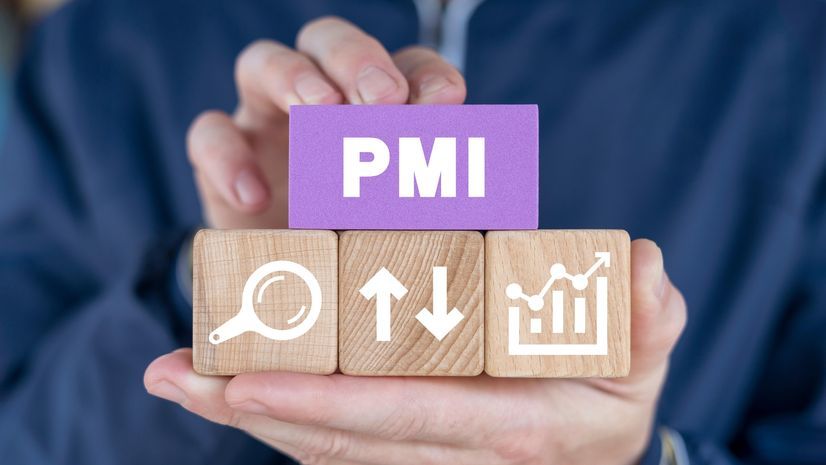




India’s economy maintained robust momentum in February 2026, with the HSBC Composite Flash PMI rising to 59.3, above forecasts. Manufacturing PMI climbed to 57.5, beating expectations, while Services PMI moderated slightly to 58.4, below forecast. The data signals resilient demand, strong output, and continued expansion across sectors despite global uncertainties.
India’s private sector activity remained firmly in expansion territory in February, according to the latest HSBC Flash PMI survey. The Composite PMI rose to 59.3, surpassing the forecast of 59.0, underscoring the strength of India’s growth momentum.
The Manufacturing PMI registered 57.5, higher than the forecast of 56.2, reflecting strong output, new orders, and resilient demand conditions. Firms reported improved supply chain efficiency and steady input costs, supporting production growth.
Meanwhile, the Services PMI came in at 58.4, slightly below the forecast of 59.0, but still indicating robust expansion. Service providers cited healthy demand, though rising competition and cost pressures moderated growth compared to January.
Economists note that India’s PMI readings remain well above the 50-mark threshold, which separates expansion from contraction, highlighting the economy’s resilience amid global headwinds. The data suggests that India continues to benefit from strong domestic demand, government infrastructure spending, and rising investment flows.
Key Highlights
-
Manufacturing PMI: 57.5 (forecast 56.2) – stronger-than-expected growth.
-
Services PMI: 58.4 (forecast 59.0) – expansion continues, slightly below forecast.
-
Composite PMI: 59.3 (forecast 59.0) – signals broad-based strength.
-
Drivers: Strong demand, improved supply chains, steady input costs.
-
Outlook: India’s economy remains resilient despite global uncertainties.
-
Significance: PMI above 50 indicates sustained expansion across sectors.
Sources: HSBC Flash PMI Report – February 2026; Reuters – India PMI Data Update; Business Standard – Sectoral PMI Analysis