








Follow WOWNEWS 24x7 on:


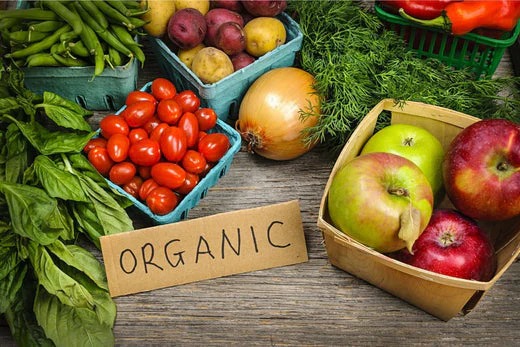
The growing demand for organic grains and pulses in Indian households is transforming traditional agriculture. Consumers are increasingly choosing chemical-free, sustainably grown staples, driving farmers toward organic practices. Supported by government initiatives and rising awareness, this shift is reshaping rural economies, boosting soil health, and redefining India’s food production landscape.
Show moreStay Ahead – Explore Now! Timeline Tumble: X’s Global Gaffe Grounds 3,357 Indian Dreamers



Updated: February 20, 2026 19:39

Updated: February 19, 2026 20:16

Updated: February 18, 2026 18:18













Follow WOWNEWS 24x7 on:





Copyright 2024 WOWNEWS 24x7. All rights reserved. The WOWNEWS 24x7 is not responsible for the content of external sites. Read about our approach to external linking.
Powered By Just Imagine
