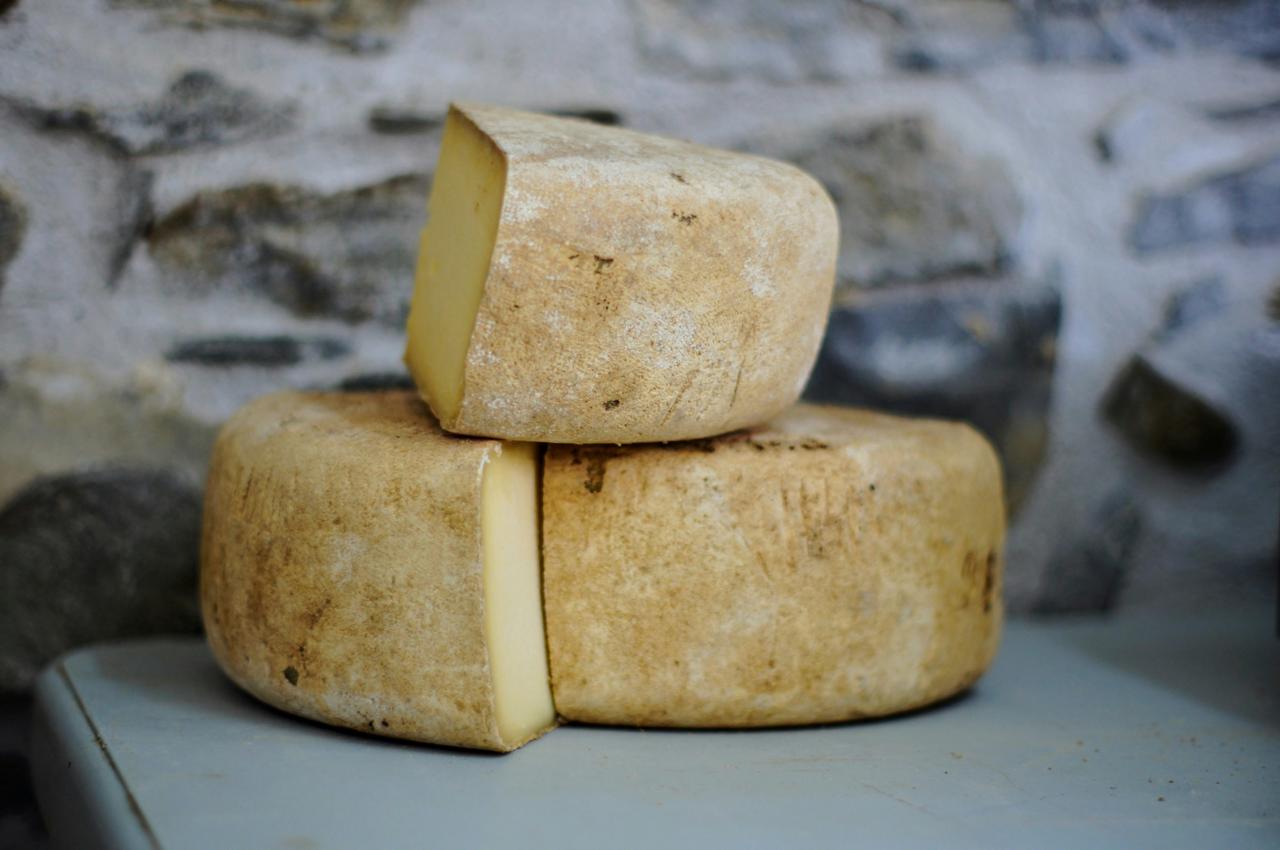

India’s cheese culture extends far beyond paneer. A recent feature highlights six rare regional cheeses—from smoky Bandel to stretchy Kalari and decades‑lasting Chhurpi—each rooted in local traditions. Alongside flavour notes, the report outlines recipes, cultural origins, and health benefits, revealing a rich, often overlooked culinary legacy.
India’s culinary landscape is undergoing a quiet but fascinating revival as traditional regional cheeses gain national attention. According to a detailed report by NDTV Food, India’s cheese story stretches across centuries, shaped by Portuguese influence in Bengal, Tibetan traditions in the Himalayas, and Dogra ingenuity in Kashmir.
The six highlighted varieties—Kalari, Chhurpi, Bandel, Kalimpong cheese, Topli na Paneer, and Qudam—each offer unique textures, preparation methods, and cultural histories. From the smoky, crumbly Bandel to the rock‑hard Himalayan Chhurpi that can last for decades, these cheeses demonstrate India’s remarkable dairy diversity.
Beyond flavour, the feature also explores health benefits, noting that many of these cheeses are high in protein, naturally fermented, and rich in probiotics, making them nutritious additions to modern diets.
Key Highlights / Major Takeaways
Kalari (Jammu & Kashmir): Stretchy, pan‑seared cheese known as “the mozzarella of Jammu.”
Chhurpi (Himalayan belt): Extremely hard, long‑lasting cheese made from yak or cow milk.
Bandel (Bengal): Portuguese‑influenced, smoky, salty cheese.
Kalimpong cheese: Semi‑hard, Gouda‑like variety from the hills.
Topli na Paneer (Parsi): Soft, basket‑set cheese with delicate flavour.
Qudam (Kashmir): Rare aged cheese with deep, sharp notes.
Conclusion
These six cheeses prove that India’s dairy heritage is far richer and more diverse than commonly known. As chefs and home cooks rediscover these regional gems, they are helping preserve culinary traditions while introducing new flavours to contemporary kitchens.
Sources: NDTV Food