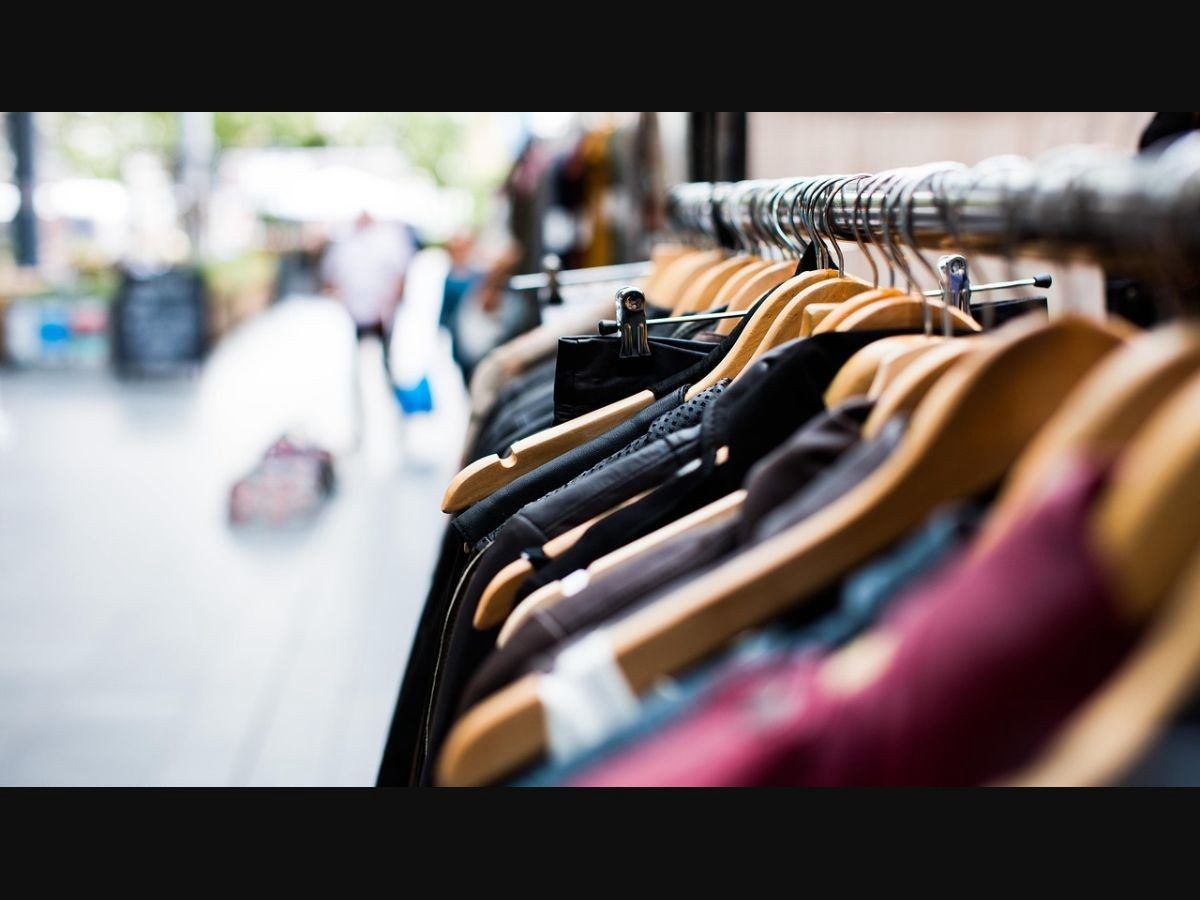



Thrifting is rapidly gaining momentum in India as young consumers embrace pre‑loved fashion for its affordability, sustainability, and individuality. Once limited to disorganised offline markets, thrifting has expanded into curated online stores and Instagram shops. The shift reflects changing attitudes toward waste, fast fashion, and conscious consumption.
India’s fashion landscape is undergoing a cultural shift as thrifting moves from stigma to mainstream appeal. According to The Indian Express, the second‑hand apparel market—valued at $211 billion globally—is growing quickly in India, fuelled by Gen Z and millennials seeking sustainable, budget‑friendly alternatives to fast fashion.
While offline thrift markets in Mumbai, Delhi, Pune, and Kolkata remain popular for their hidden gems, the real transformation is happening online. Instagram thrift stores and curated resale platforms are giving old clothes new life, offering everything from vintage jackets to branded streetwear. This digital evolution mirrors global trends and reflects rising awareness of environmental concerns, including textile waste, carbon emissions, and labour exploitation linked to fast fashion.
The appeal is no longer just affordability—thrifting has become a statement of individuality, a way to build unique wardrobes while reducing environmental impact.
Key Highlights / Major Takeaways
Thrifting goes mainstream, driven by Gen Z and millennials seeking sustainable fashion.
Offline markets thrive in cities like Mumbai, Delhi, Pune, and Kolkata.
Instagram thrift stores popularise curated, pre‑loved fashion collections.
Environmental concerns—waste, emissions, exploitation—fuel the shift away from fast fashion.
Second‑hand market booming, with global value at $211 billion and rising.
Conclusion
India’s thrifting culture is more than a trend—it’s a movement reshaping how people think about fashion, consumption, and sustainability. As digital platforms expand and attitudes evolve, pre‑loved clothing is gaining a new, meaningful place in India’s style ecosystem.
Sources: The Indian Express