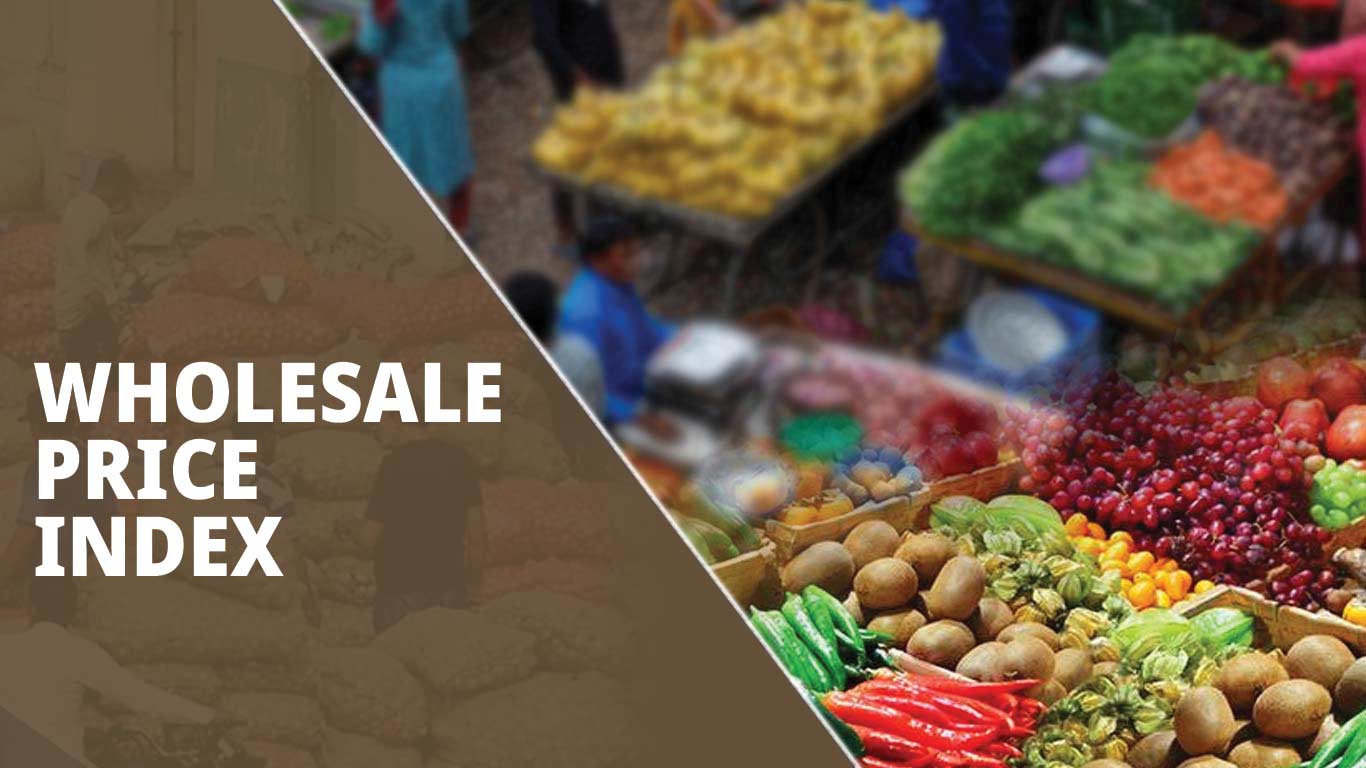








India’s Wholesale Price Food Index (WPFI) increased by 1.41% year-on-year in January 2026, reversing December’s flat growth. The uptick reflects rising costs in essential commodities, adding to manufacturing inflation while fuel deflation provided some relief. Government data highlights a mixed inflation environment with sectoral divergences shaping wholesale price trends.
Key Highlights & Developments
India’s wholesale inflation data for January 2026 revealed a notable rise in food prices, with the Wholesale Price Food Index climbing 1.41% year-on-year. This marks a rebound from December’s zero growth, underscoring renewed cost pressures in essential commodities.
-
Food Inflation: The increase was driven by higher prices in cereals, pulses, and vegetables, reflecting seasonal supply constraints and rising demand.
-
Balancing Effect: While food inflation firmed, fuel prices fell sharply by 4.01%, providing some cushion to overall wholesale inflation, which stood at 1.81% in January compared to 0.83% in December.
-
Manufacturing Costs: Manufacturing inflation also rose to 2.86%, highlighting broader input cost pressures across industries.
-
Sectoral Context: The divergence between rising food and manufacturing inflation versus falling fuel costs illustrates the complexity of India’s inflation dynamics. Businesses face higher raw material and food-related costs, even as energy expenses ease.
-
Policy Implications: Wholesale inflation trends, though not directly tracked by the Reserve Bank of India for monetary policy, provide critical insights into supply-side pressures that can influence consumer prices in the months ahead.
Contextual Note: January’s wholesale inflation data highlights a mixed picture - food and manufacturing costs are rising, but energy deflation is offering temporary relief to the broader economy.
Sources: Government of India inflation data release; Reuters market coverage; Economic Times wholesale inflation report