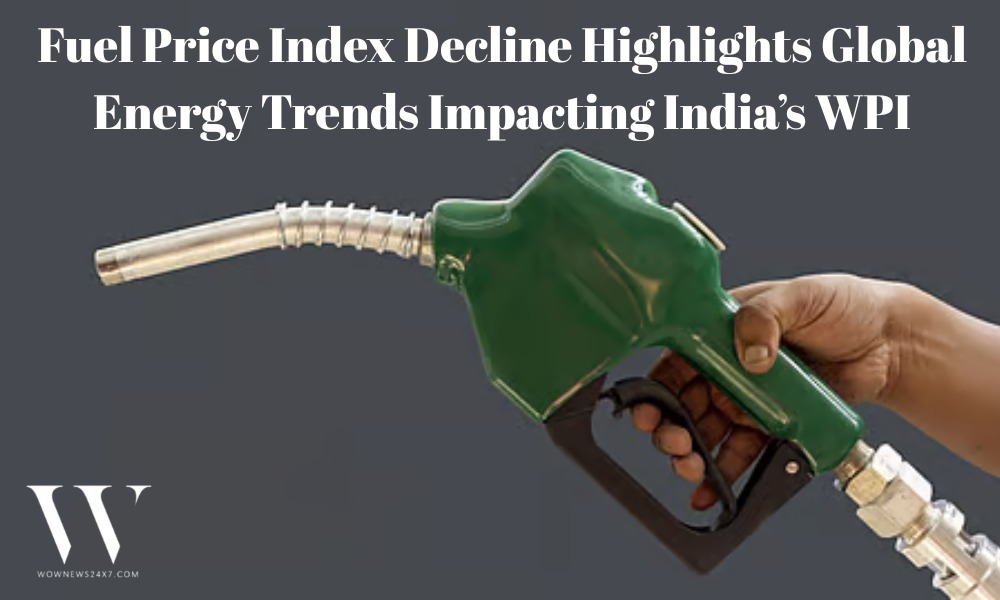








India’s fuel price index within the Wholesale Price Index (WPI) declined by 4.01% year-on-year in January, marking the steepest drop since late 2024. The fall was driven by lower LPG, petrol, and diesel prices, helping offset rising manufacturing and food inflation. Government data highlights a mixed inflation environment.
Key Highlights & Developments
India’s wholesale inflation data for January 2026 revealed a sharp decline in the fuel price index, which contracted by 4.01% year-on-year. This marks the steepest fall since October 2024, underscoring the impact of easing global energy prices and domestic supply adjustments.
-
Fuel Price Index: The decline reflects significant deflation in LPG, petrol, and diesel, providing relief to businesses and consumers facing cost pressures in other sectors.
-
Balancing Effect: While manufacturing inflation rose to 2.86% and food inflation firmed to 1.41%, the drop in fuel costs cushioned overall wholesale inflation, which stood at 1.81% in January compared to 0.83% in December.
-
Sectoral Impact: Lower fuel prices reduce input costs across industries, particularly in transport, logistics, and manufacturing, potentially supporting margins and stabilizing consumer prices.
Policy Context: The Reserve Bank of India primarily tracks consumer price inflation, but wholesale inflation trends offer critical insights into supply-side pressures. January’s data suggests a balancing act between rising industrial costs and easing energy prices.
Contextual Note: The sharp fall in fuel inflation highlights the volatility of global energy markets and their direct influence on India’s wholesale inflation trajectory. For policymakers and businesses, this provides temporary relief but underscores the need for vigilance in managing inflationary risks.
Sources: Government of India inflation data release; Reuters market coverage; Economic Times wholesale inflation report