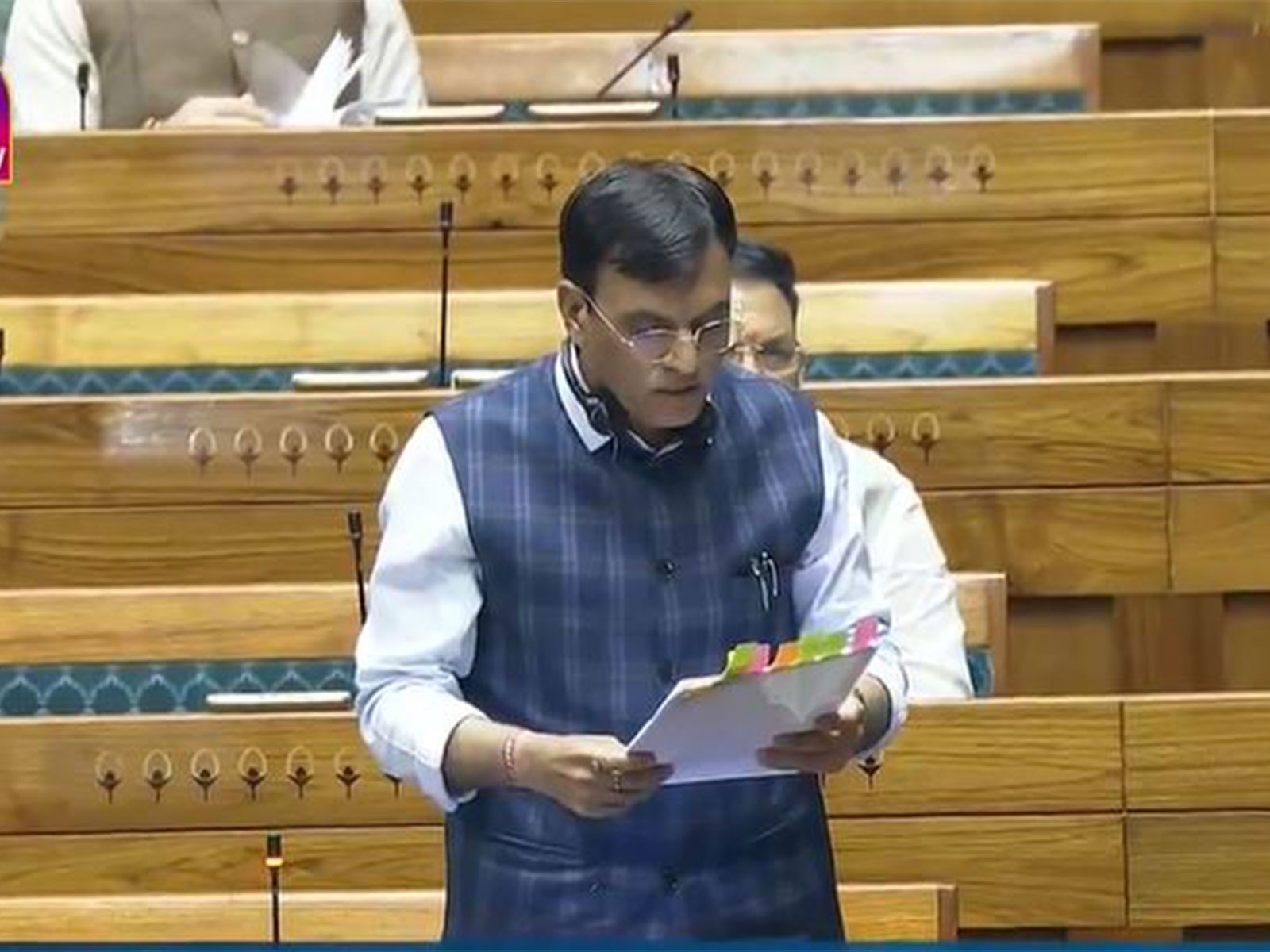

Union Labour Minister Mansukh Mandaviya introduced the Industrial Relations Code (Amendment) Bill, 2026 in the Lok Sabha. The amendment seeks to clarify repeal provisions of earlier labour laws replaced by the Industrial Relations Code, 2020, ensuring continuity and avoiding future legal complications in matters of trade unions and industrial disputes.
Purpose Of The Amendment
The Industrial Relations Code, 2020 consolidated three major labour laws: the Trade Unions Act, 1926, the Industrial Employment (Standing Orders) Act, 1946, and the Industrial Disputes Act, 1947. The new amendment aims to strengthen Section 104, which contains savings provisions, to ensure legal certainty after the repeal of these laws.
Government’s Position
Mandaviya emphasized that the amendment is necessary to prevent unwarranted complications in the future. By clarifying the legal standing of the repealed acts, the government seeks to maintain smooth continuity in industrial relations and safeguard workers’ rights under the consolidated framework.
Key Highlights
-
Bill introduced in Lok Sabha during Budget Session
-
Seeks to amend Industrial Relations Code, 2020
-
Clarifies repeal provisions of three earlier labour laws
-
Focus on continuity and legal certainty
-
Aims to avoid future complications in industrial relations
Conclusion
The Industrial Relations Code Amendment Bill reflects the government’s effort to streamline labour laws while ensuring clarity and stability. By addressing potential legal gaps, the amendment strengthens India’s labour framework and reinforces its commitment to protecting workers and industrial harmony.
Sources: ANI, Business Standard, Economic Times