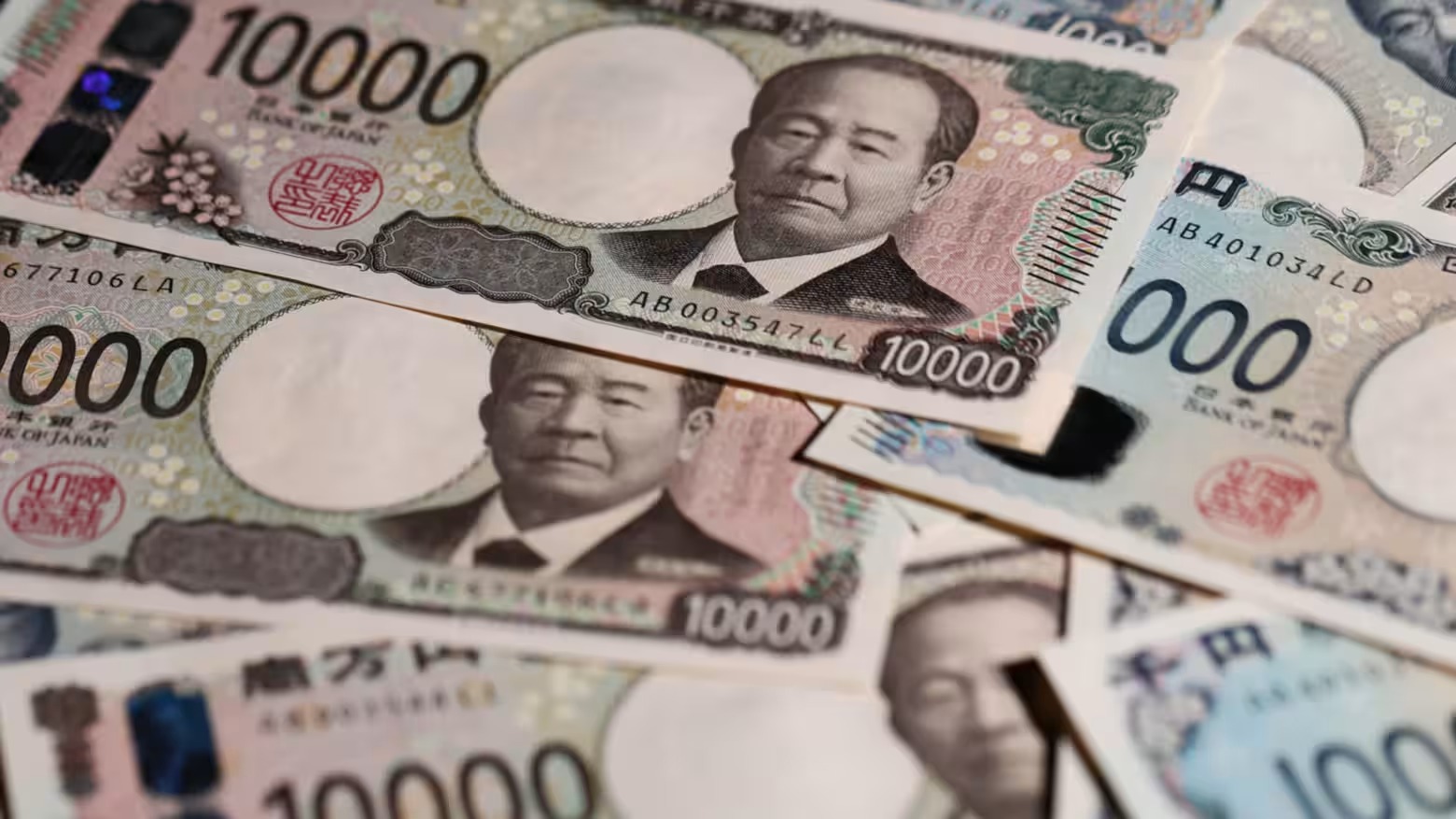

Japan will reduce the issuance of super-long Japanese Government Bonds (JGBs) to around 17 trillion yen in the next fiscal year, marking the lowest level since 2008. The move reflects government efforts to balance debt management, investor demand, and fiscal sustainability amid evolving economic conditions.
Japan’s Ministry of Finance is set to scale back the issuance of super-long JGBs, including 20-, 30-, and 40-year maturities, to approximately 17 trillion yen in fiscal year 2026. According to sources, this will be the lowest issuance level in 17 years, underscoring a strategic shift in debt management aimed at reducing long-term borrowing costs while maintaining investor confidence.
Key highlights from the announcement include
-
Japan will issue around 17 trillion yen in super-long JGBs in FY2026.
-
This marks the lowest issuance level since 2008, reflecting cautious fiscal planning.
-
Super-long JGBs are typically favored by pension funds and insurers seeking stable returns.
-
The reduction comes amid changing investor appetite and government focus on shorter maturities.
-
Japan’s overall debt issuance strategy balances fiscal sustainability with market stability.
-
The move highlights ongoing challenges in managing the world’s largest public debt burden.
-
Analysts expect the cut to influence yield curves and long-term investment strategies.
This decision signals Japan’s intent to recalibrate its debt issuance framework, ensuring fiscal prudence while adapting to market dynamics. The reduction in super-long JGBs is expected to reshape investor strategies and reinforce the government’s commitment to sustainable debt management.
Sources: Reuters, Nikkei Asia, Japan Ministry of Finance