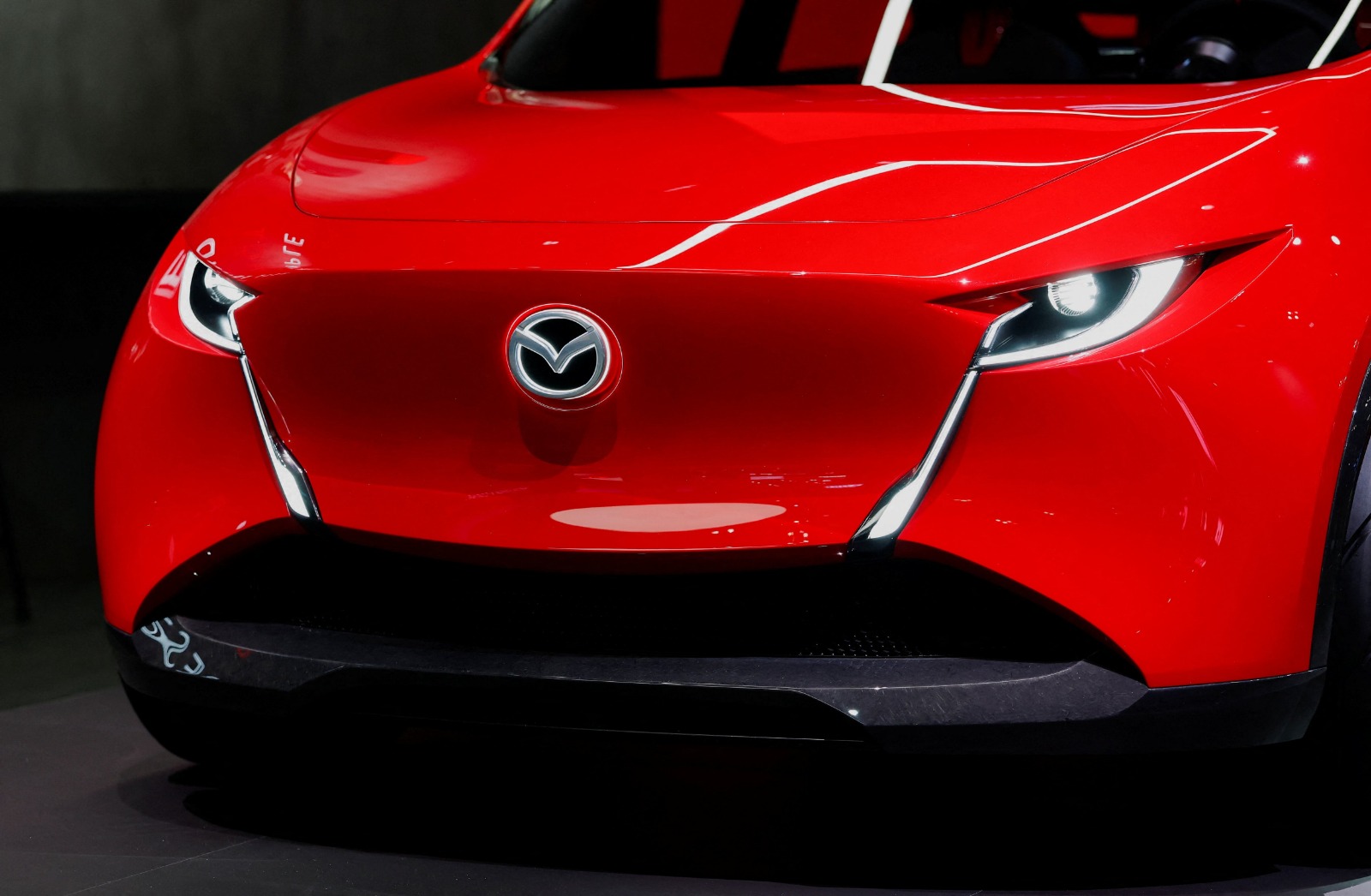

Mazda is preparing to phase out its long-running small cars, the Mazda2 and CX-3, by mid-2026. The move signals a turning point for Japan’s auto industry as the company pivots toward electrification with new models like the CX-6e, reflecting broader pressures on automakers to adapt globally.
End Of An Era
Mazda’s decision to retire the Mazda2 and CX-3 marks the conclusion of two models that have anchored its compact lineup for more than a decade. Reports indicate the CX-3 will end production in March 2026, followed by the Mazda2 in June 2026. This step reflects Mazda’s intent to streamline its portfolio and respond to shifting consumer demand.
Mazda’s EV Pivot
The unveiling of the CX-6e, Mazda’s new battery electric vehicle, highlights the company’s commitment to sustainable mobility. As rivals accelerate their EV strategies, Mazda’s restructuring shows the challenges Japanese automakers face in balancing legacy models with innovation while meeting stricter emissions standards.
Industry Implications
Mazda’s pivot is seen as a potential turning point for Japan’s auto industry. With electrification reshaping global mobility, Japanese automakers are under pressure to modernize their fleets and compete with international rivals who are rapidly expanding their EV portfolios.
Key Highlights
-
Mazda2 and CX-3 production to end by mid-2026
-
CX-3 ends in March 2026, Mazda2 in June 2026
-
Mazda unveils CX-6e battery EV as part of transition
-
Reflects broader industry shift toward electrification and sustainability
-
Marks a turning point for Japan’s auto industry amid global competition
Conclusion
Mazda’s restructuring signals the beginning of a broader reckoning for Japan’s auto industry. As electrification reshapes consumer demand and regulatory landscapes, Mazda’s pivot could set the tone for how Japanese automakers adapt to the next era of innovation and sustainability.
Sources: Reuters, Autoblog, Paultan.org