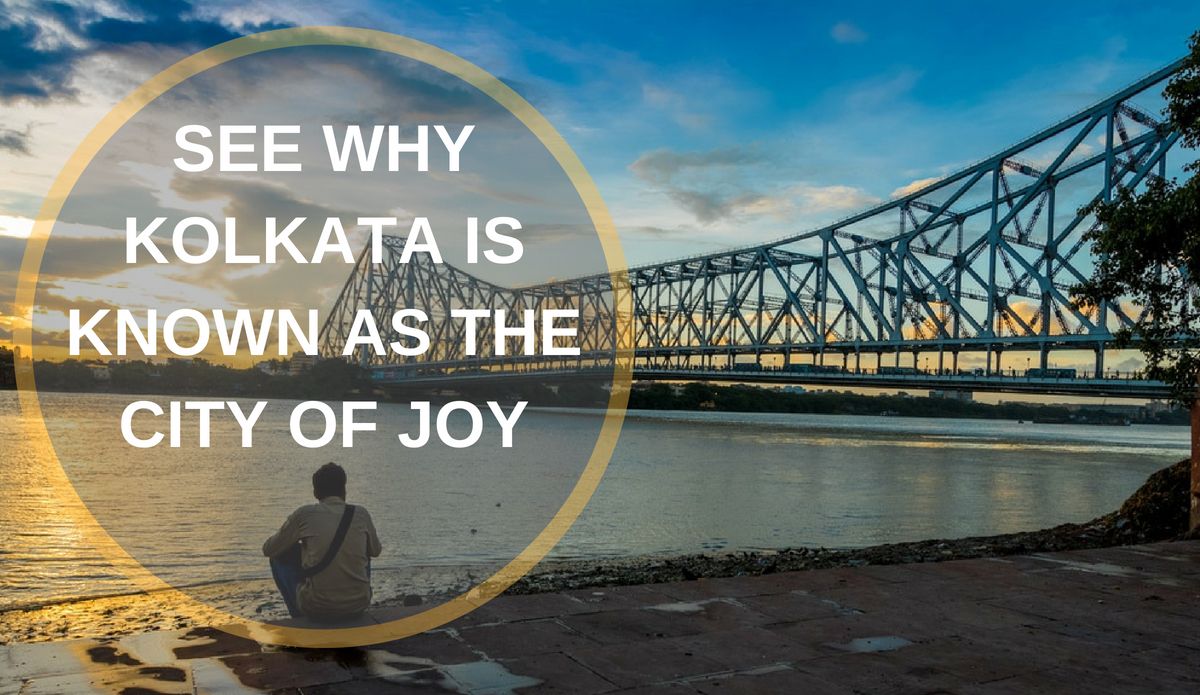

Kolkata, often called the ‘City of Joy,’ earned its title from Dominique Lapierre’s 1985 novel but continues to embody the phrase through its vibrant culture, festivals, food, and warmth of its people. The city’s unique blend of colonial heritage, artistic legacy, and community spirit makes it a hub of joy and resilience.
Kolkata, the capital of West Bengal, is more than just a bustling metropolis—it is a city that thrives on culture, tradition, and human connection. The phrase ‘City of Joy’ was popularized by French author Dominique Lapierre’s novel (1985), which depicted life in the slums of Anand Nagar, highlighting resilience and compassion amidst hardship.
Today, the name resonates far beyond literature, reflecting Kolkata’s enduring charm. From its colonial architecture and intellectual legacy to its street food and festivals, the city celebrates life in every corner.
Major Takeaways
-
Cultural richness: Kolkata is home to literature, theatre, cinema, and art, making it India’s cultural capital.
-
Festivals galore: Known for “Baro Mase Tero Parbon” (13 festivals in 12 months), with Durga Puja as the crown jewel.
-
Community spirit: Warmth of its people and inclusivity define the city’s character.
-
Food heritage: Iconic dishes like biryani, mishti doi, and street snacks add flavor to its joyful identity.
-
Historic roots: Colonial-era buildings and intellectual movements continue to shape its layered personality.
Kolkata’s title as the ‘City of Joy’ is not just a name—it is a lived experience of resilience, celebration, and human warmth.
Sources: NDTV, Jagran Josh, The Hindu