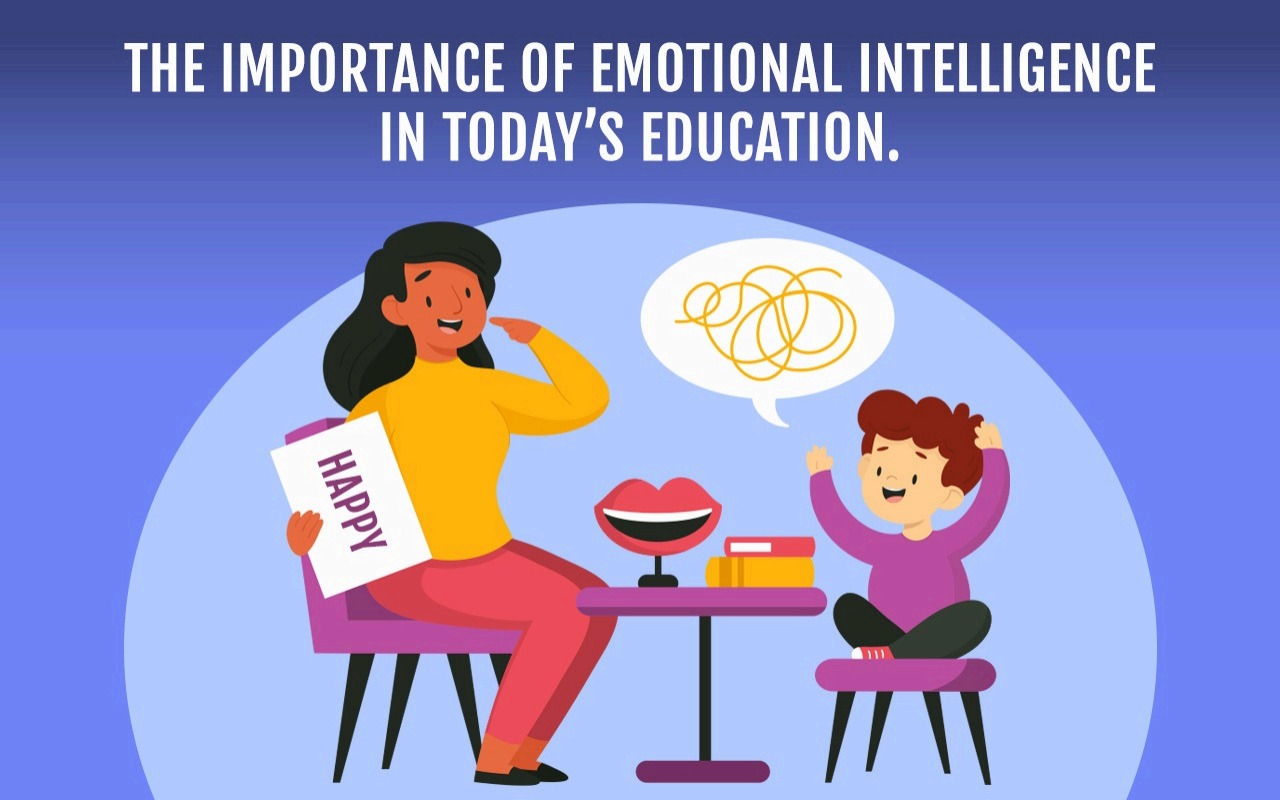








Emotional intelligence is increasingly recognized as a cornerstone of effective teaching. Recent studies highlight how educators who cultivate empathy, self-awareness, and emotional regulation foster stronger student engagement, improved academic outcomes, and healthier classroom environments. Integrating emotional intelligence into teacher training and daily practice is reshaping education worldwide.
The Role Of Emotional Intelligence In Education
Emotional intelligence (EI) refers to the ability to understand, manage, and respond to emotions-both one’s own and those of others. In classrooms, teachers with high EI are better equipped to handle stress, build trust, and create inclusive learning spaces. Research shows that emotionally intelligent teaching not only enhances academic performance but also supports student well-being, resilience, and social skills.
Key Highlights
-
Teachers with strong emotional intelligence foster deeper student-teacher relationships, improving classroom trust and cooperation
-
Emotional intelligence helps educators manage stress and avoid burnout, leading to more sustainable teaching practices
-
Students in emotionally supportive classrooms show higher motivation, better exam performance, and stronger social-emotional development
-
Institutionalizing emotional intelligence in teacher training programs is recommended to ensure long-term impact
-
Policy-level interventions are being discussed to embed emotional intelligence into curricula and evaluation frameworks
Impact On Classrooms
The integration of emotional intelligence into teaching practices is transforming classrooms into more empathetic and collaborative spaces. Teachers who model emotional regulation and empathy encourage students to mirror these behaviors, creating a ripple effect that improves peer relationships and reduces conflict. Emotional intelligence also equips educators to adapt to diverse learning needs, making classrooms more inclusive and equitable.
Future Outlook
Experts suggest that emotional intelligence will become a formal component of teacher preparation and professional development programs. With growing emphasis on holistic education, schools are expected to adopt evidence-based training modules and evaluative mechanisms to measure emotional competencies. As emotional intelligence gains traction, it is poised to redefine success in education not just through grades, but through the emotional growth of both teachers and students.
Sources: Frontiers in Psychology, The Learning Tips, IJRCS