





A growing number of people are embracing intentional living: choosing simplicity, sustainability, and mindful consumption over material clutter. Driven by stress from overconsumption, rising eco-consciousness, and financial awareness, this lifestyle shift emphasizes decluttering, digital minimalism, and prioritizing wellbeing. Experts say the trend is reshaping homes, habits, and mindsets across urban India and beyond.
In 2026, the conversation around lifestyle choices is shifting from accumulation to intentional living. Across cities, individuals are increasingly rejecting the endless cycle of buying, storing, and discarding, instead opting for minimalism and mindful consumption. This movement is not just about tidying up—it’s about redefining priorities and reclaiming mental space.
Key Highlights of the Trend
-
Decluttering as Discipline: As Mint columnist Shephali Bhatt notes, the practice of “no new hangers” became a personal principle after realizing that buying more storage only postponed the need to let go. This reflects a broader mindset: own less, value more.
-
Minimalism Rising in 2026: Reports highlight that the minimalist lifestyle is gaining momentum as people seek focus, financial freedom, and inner peace. Overconsumption has been linked to stress, while decluttering offers clarity and calm.
-
Digital Minimalism: Beyond physical clutter, 2026 trends emphasize digital decluttering—auditing apps, limiting screen time, and curating files to reduce distraction and improve mental health.
-
Eco-Friendly Choices: Sustainability is a major driver. By consuming less, individuals reduce waste and carbon footprints, aligning personal choices with global climate goals.
-
Financial Awareness: Rising costs and economic uncertainty are pushing families to reconsider spending habits. Intentional living encourages saving money by avoiding unnecessary purchases.
Why It Matters
-
Mental Health Benefits: Clutter has been shown to increase anxiety and reduce productivity. Intentional living fosters emotional self-preservation and resilience.
-
Cultural Shift: In urban India, where space is scarce and consumerism rampant, this lifestyle represents a counter-narrative to material excess.
-
Sustainability Impact: Choosing less is not just personal—it contributes to collective environmental responsibility, making minimalism both a lifestyle and a civic choice.
Broader Context
The rise of intentional living reflects a global reorientation of values. Instead of equating success with possessions, people are equating it with time, experiences, and wellbeing. From Marie Kondo’s decluttering philosophy to India’s grassroots sustainability movements, the message is clear: less can indeed be more.
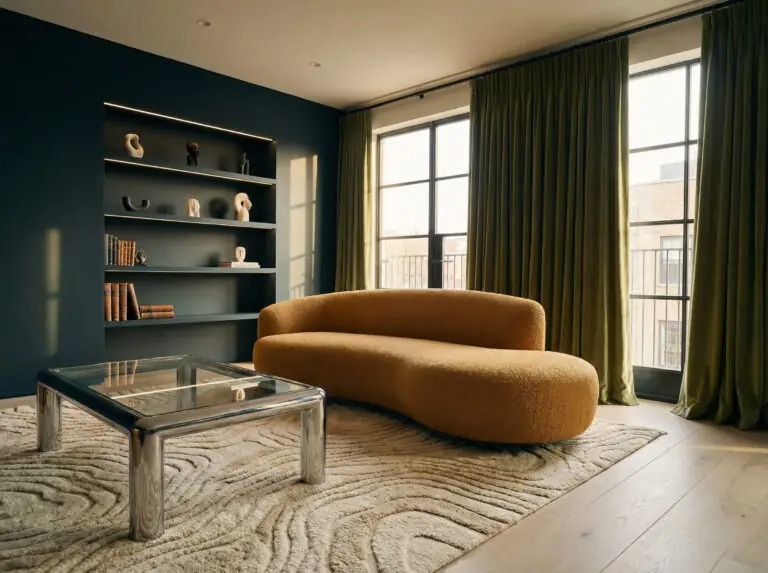
As 2026 unfolds, intentional living is expected to influence not just households but also design, retail, and digital culture. Furniture brands are offering modular, minimalist designs; tech companies are promoting digital wellbeing features; and communities are forming around shared values of simplicity.
This is not a passing fad, it’s a long-term lifestyle evolution. By choosing intentional living over material clutter, individuals are reclaiming control over their environments, finances, and mental health, while contributing to a more sustainable future.
Sources: Mint (livemint.com in Bing), Tukkbook, Tony Hendra – Minimalist Living Trends 2026