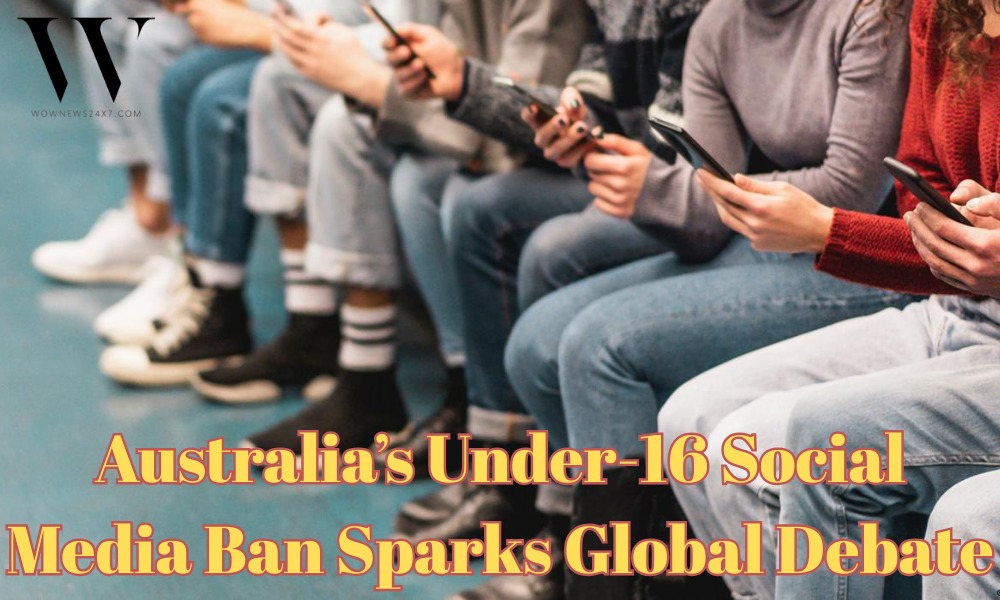




Australia’s world-first ban on social media for under-16s has triggered mixed global teen reactions. While some welcome reduced online pressure, others criticize it as restrictive. Platforms like TikTok and Instagram must comply or face heavy fines. The move positions Australia as a test case for global youth online safety regulation.
Key Highlights
The Ban: Platforms including TikTok, YouTube, Instagram, Facebook, Snapchat, Reddit, Twitch, Threads, and X (formerly Twitter) are now legally required to block under-16 users or face fines up to A$49.5 million ($33 million).
Government’s Rationale: The law, part of the Online Safety Amendment (Social Media Minimum Age) Act, aims to protect children from harmful content, cyberbullying, and addictive digital behaviors.
Teen Reactions in Australia: Many local teens expressed frustration, calling the ban “too extreme” and worrying about losing social connections. Others admitted relief, saying it might reduce pressure from online trends and toxic comparisons.
Global Teen Voices:
Europe (Denmark, Germany): Teens voiced skepticism, arguing the ban restricts freedom of expression. Some, however, saw it as a model for healthier digital habits.
Asia (India, Malaysia): Mixed responses emerged—urban teens criticized the ban as unrealistic, while rural youth welcomed it as a chance to focus on studies.
North America: U.S. and Canadian teens debated whether such a law could ever pass, with many calling it “impossible” given cultural emphasis on free speech.
Tech Industry Pushback: Companies like Meta and Google have complied but criticized the law as “overreaching.” Elon Musk’s X confirmed compliance but warned of global ripple effects.
Global Policy Impact: Countries including New Zealand, Denmark, and Malaysia are studying Australia’s model, considering similar restrictions.
Broader Implications
This ban is not just about Australia—it’s a test case for global regulation of youth online safety. While parents and child advocates largely support the move, free speech groups warn of potential overreach. Teens worldwide remain divided: some see it as protection, others as a curtailment of digital freedom.
Sources: India TV News, The Hindu, Indian Express, The Guardian